Hydrochloric Acid → HCID 14457726, compound
Reaction equation

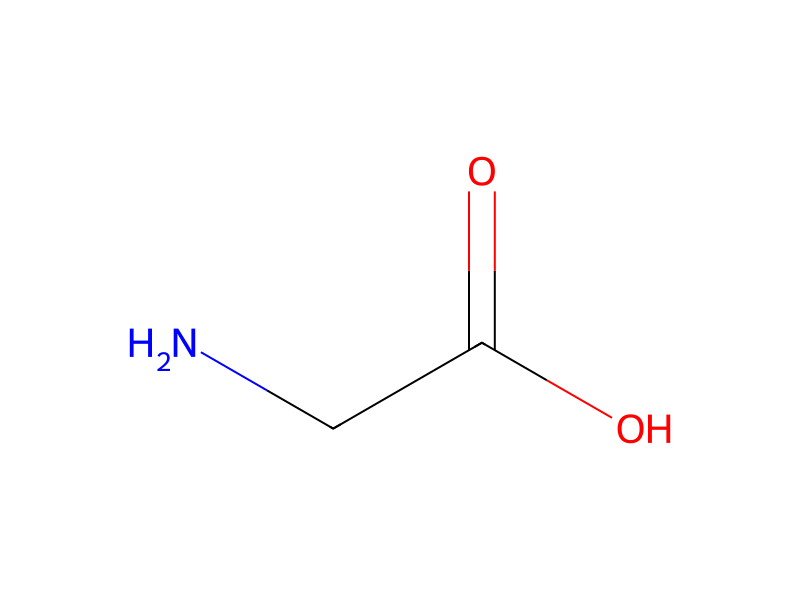
C(=O)([O-])[O-].[K+].[K+].[NH2:7][CH2:8][C:9]([OH:11])=[O:10].[Cl:12][C:13]1[C:14]([S:24](Cl)(=[O:26])=[O:25])=[CH:15][C:16]2[C:21]([CH:22]=1)=[CH:20][C:19]([Cl:23])=[CH:18][CH:17]=2.Cl>O.O1CCOCC1>[Cl:12][C:13]1[C:14]([S:24]([NH:7][CH2:8][C:9]([OH:11])=[O:10])(=[O:26])=[O:25])=[CH:15][C:16]2[C:21]([CH:22]=1)=[CH:20][C:19]([Cl:23])=[CH:18][CH:17]=2Participants
7
Reactant 4



Product 1

Reagents, catalysts & solvents 2


Procedure
To a solution of potassium carbonate (11.7 g) and glycine (6.4 g) in water (140 ml) were added 3,6-dichloronaphthalen-2-ylsulfonyl chloride (20.8 g) and dioxane (50 ml) at room temperature, and the mixture was stirred under reflux for 2 hours. After cooling to room temperature, the resultant solution was acidified with 2 N hydrochloric acid to a pH in the range of 1 to 2, and extracted with ethyl acetate. The organic layer was washed with water, then with saturated aqueous NaCl solution, and dried over anhydrous sodium sulfate. Ethyl acetate was removed in vacuo to give 19.0 g of the objective compound.
Workup
- temperatureunder reflux for 2 hours
- extractionextracted with ethyl acetate
- washThe organic layer was washed with water
- dry with materialwith saturated aqueous NaCl solution, and dried over anhydrous sodium sulfate
- customEthyl acetate was removed in vacuo
Sources & evidence
- ORD record
- ord-48c9fb46d33848cb9e6f08d90d991425
- Source dataset
- uspto-grants-1991_04
- Patent number
- US05004751
Reaction notes
Loading…