Diethyl Malonate → 1,1-Diethyl cyclopent-3-ene-1,1-dicarboxylate
Reaction equation

[C:1]([O:9][CH2:10][CH3:11])(=[O:8])[CH2:2][C:3]([O:5][CH2:6][CH3:7])=[O:4].[H-].[Li+].[H][H].Cl[CH2:17]/[CH:18]=[CH:19]\[CH2:20]Cl>CN(C)C=O.CCOCC.CCCCCC.O>[C:2]1([C:3]([O:5][CH2:6][CH3:7])=[O:4])([C:1]([O:9][CH2:10][CH3:11])=[O:8])[CH2:20][CH:19]=[CH:18][CH2:17]1Participants
9
Reactant 4
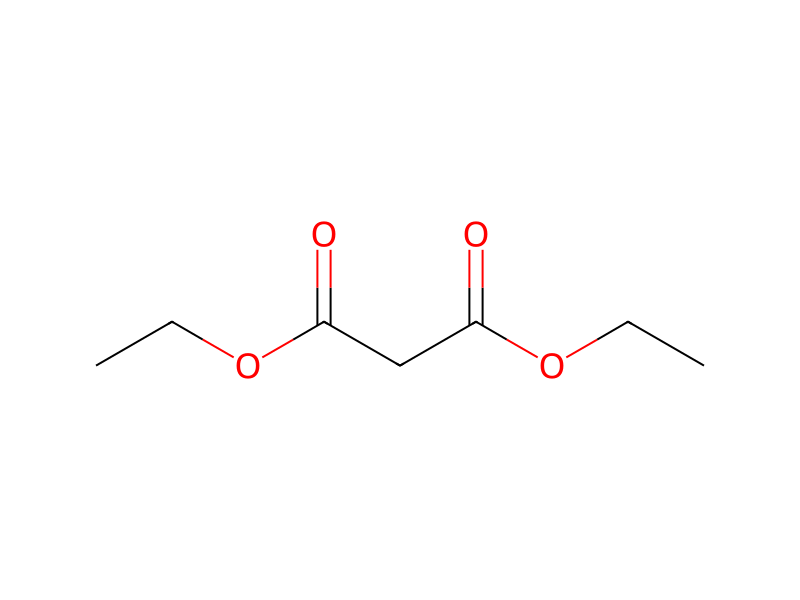

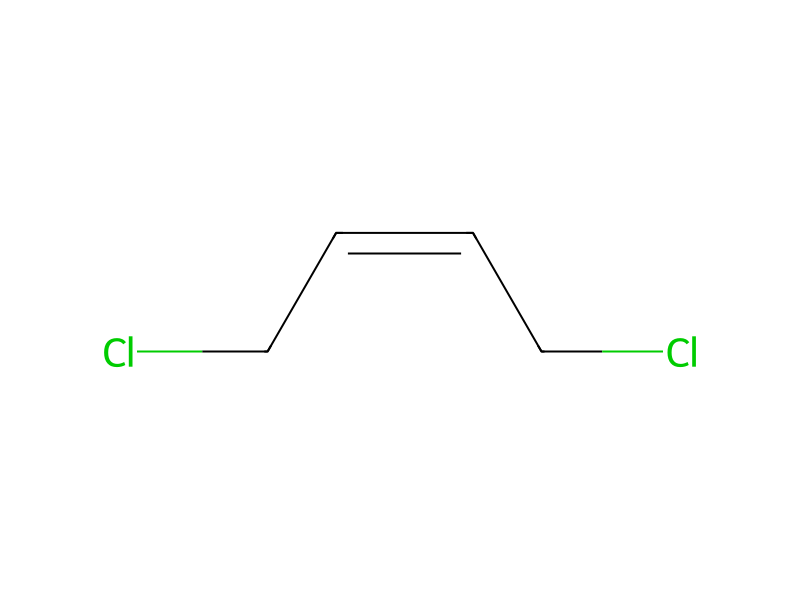

Product 1

Reagents, catalysts & solvents 4




Procedure
To a stirred solution of 160 g of diethyl malonate in 1.5 l of dry dimethylformamide at 0° C. under nitrogen was slowly added 30 g of lithium hydride. After the evolution of hydrogen ceased (2 hours) 143 g of cis-1,4-dichloro-2-butene was slowly added and the mixture allowed to come to room temperature. After 72 hours, the mixture was diluted with a mixture of ether and hexane (1:4) and poured into water. The organic layer was washed with water and brine before drying over magnesium sulfate. Distillation gave diethyl 3-cyclopentene-1,1-dicarboxylate, bp 70°-80° C./0.1 mm, containing a small amount (~10%) of diethyl 2-vinylcyclopropane-1,1-dicarboxylate.
Workup
- customat 0° C.
- additionwas slowly added
- customto come to room temperature
- washThe organic layer was washed with water and brine
- dry with materialbefore drying over magnesium sulfate
- distillationDistillation
Sources & evidence
- ORD record
- ord-f23345d95300427987ed83da2cfa58e4
- Source dataset
- uspto-grants-1991_04
- Patent number
- US05011846
Reaction notes
Loading…