Hydrochloric Acid → HCID 70048425, compound
Reaction equation

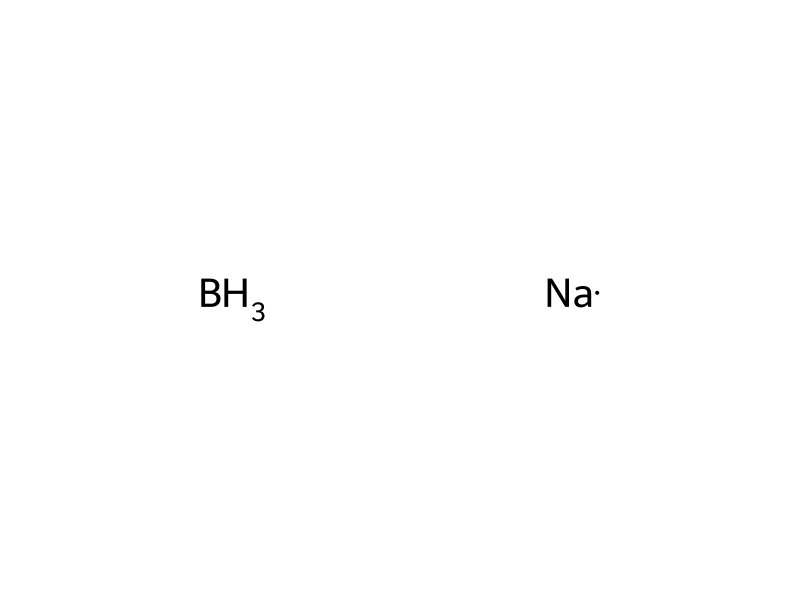
B.[Na].C[O:4][C:5](=O)[C@@H:6]1[CH2:10][CH2:9][CH2:8][N:7]1[C:11](=[O:29])[C@@H:12]1[CH2:16][CH2:15][CH2:14][N:13]1[C:17](=[O:28])[CH2:18][CH:19]1[C:27]2[C:22](=[CH:23][CH:24]=[CH:25][CH:26]=2)[CH2:21][CH2:20]1.Cl>O1CCCC1.CO>[CH:19]1([CH2:18][C:17]([N:13]2[CH2:14][CH2:15][CH2:16][C@H:12]2[C:11]([N:7]2[CH2:8][CH2:9][CH2:10][C@H:6]2[CH2:5][OH:4])=[O:29])=[O:28])[C:27]2[C:22](=[CH:23][CH:24]=[CH:25][CH:26]=2)[CH2:21][CH2:20]1Participants
Reactant 3


Product 1

Reagents, catalysts & solvents 2


Procedure
0.57 g of sodium boron hydride was added with stirring to 9 ml of a 80% methanol solution under ice-cooling. To the mixture was added dropwise 1.15 g of 1-[1-(2-indanylacetyl)-L-prolyl]-L-proline methyl ester dissolved in a mixed solution of 5 ml of tetrahydrofuran and 5 ml of methanol. After addition, the mixture was stirred for 15 hours at room temperature. The reaction mixture was acidified by adding diluted hydrochloric acid and extracted with ether. The organic layer obtained was washed with brine and dried over anhydrous sodium sulfate. After evaporating the solvent under reduced pressure, the residue was purified by silica gel column chromatography to obtain 0.73 g of 1-[1-(2-indanylacetyl)-L-prolyl]-L-prolinol as an oily substance. (yield: 68%)
Workup
- temperaturecooling
- additionAfter addition
- extractionextracted with ether
- customThe organic layer obtained
- washwas washed with brine
- dry with materialdried over anhydrous sodium sulfate
- customAfter evaporating the solvent under reduced pressure
- customthe residue was purified by silica gel column chromatography
Sources & evidence
- ORD record
- ord-6c93980b65944efa8a61c00cde78bed9
- Source dataset
- uspto-grants-1991_07
- Patent number
- US05028604
Reaction notes
Loading…