Hydrogen Peroxide → HCID 14348395, compound
Reaction equation

CSC.S([O:9][CH3:10])(OC)(=O)=O.[Cl:11][C:12]1[CH:17]=[CH:16][C:15]([CH2:18][CH2:19][C:20]([C:22]2([Cl:25])[CH2:24][CH2:23]2)=O)=[CH:14][CH:13]=1.[OH-].[K+].OO>C(O)(C)(C)C>[Cl:25][C:22]1([C:20]2([CH2:19][CH2:18][C:15]3[CH:14]=[CH:13][C:12]([Cl:11])=[CH:17][CH:16]=3)[CH2:10][O:9]2)[CH2:23][CH2:24]1Participants

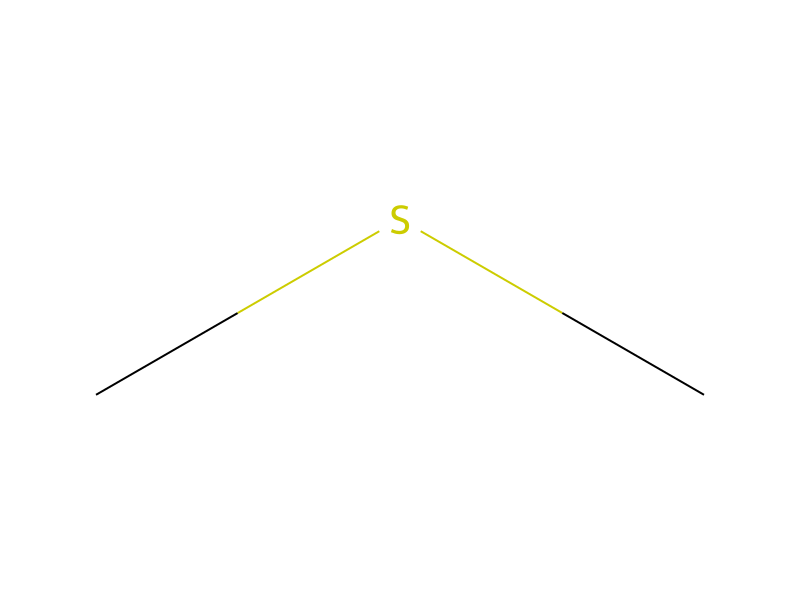




Conditions
- Temperature
- 30 °C
Procedure
16 ml (0.22 mol) of dimethyl sulphide and 24.2 g (0.19 mol) of dimethyl sulphate are added to 30 ml of tert.-butanol and the mixture is allowed to stand for 14 hours at 20° C. A solution of 17 g (0.07 mol) of 1-chlorocyclopropyl 4-chlorophenylethyl ketone in 70 ml of tert.-butanol is initially added dropwise with stirring to the reaction mixture and 22 g of potassium hydroxide powder are then introduced, the temperature of the reaction mixture being held at 20° to 30° C. The mixture is stirred for a further 3 hours at 30° C., then the dimethyl sulphide is stripped off under reduced pressure and the reaction mixture is then poured into 50 ml of a 1% strength aqueous hydrogen peroxide solution. The mixture is extracted using ethyl acetate. The organic phase is washed using water and is concentrated by stripping off the solvent under reduced pressure after drying over sodium sulphate. In this manner, 13.4 g (75% of theory) of 2-(1-chlorocyclopropyl)-2-(4-chlorophenylethyl)-oxirane are obtained in the form of an oily product, which is further reacted without additional purification. ##STR68##
Workup
- additionare then introduced
- custombeing held at 20° to 30° C
- extractionThe mixture is extracted
- washThe organic phase is washed
- concentrationis concentrated
- dry with materialafter drying over sodium sulphate
Sources & evidence
- ORD record
- ord-fcd38b9618c44c929c1d48828e0bdd3b
- Source dataset
- uspto-grants-1992_01
- Patent number
- US05079374
Reaction notes
Loading…