Potassium Carbonate → HCID 14878742, compound
Reaction equation

[C:1]([N:4]1[CH2:9][CH2:8][NH:7][CH2:6][CH2:5]1)(=[O:3])[CH3:2].Cl[C:11]1[C:16]([N+:17]([O-:19])=[O:18])=[CH:15][CH:14]=[C:13](Cl)[N:12]=1.C(=O)([O-])[O-].[K+].[K+]>C(#N)C>[C:1]([N:4]1[CH2:9][CH2:8][N:7]([C:11]2[C:16]([N+:17]([O-:19])=[O:18])=[CH:15][CH:14]=[C:13]([N:4]([CH2:5][CH3:6])[CH2:1][CH3:2])[N:12]=2)[CH2:6][CH2:5]1)(=[O:3])[CH3:2]Participants
5
Reactant 3

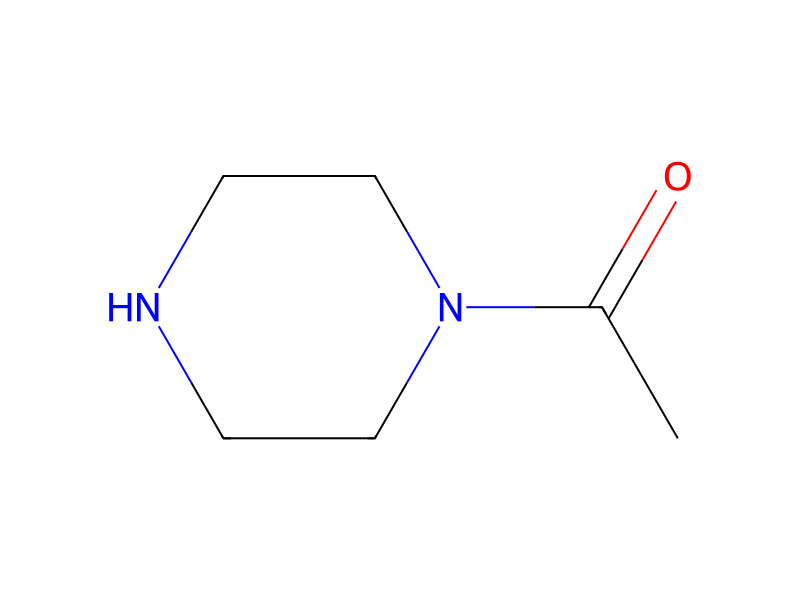
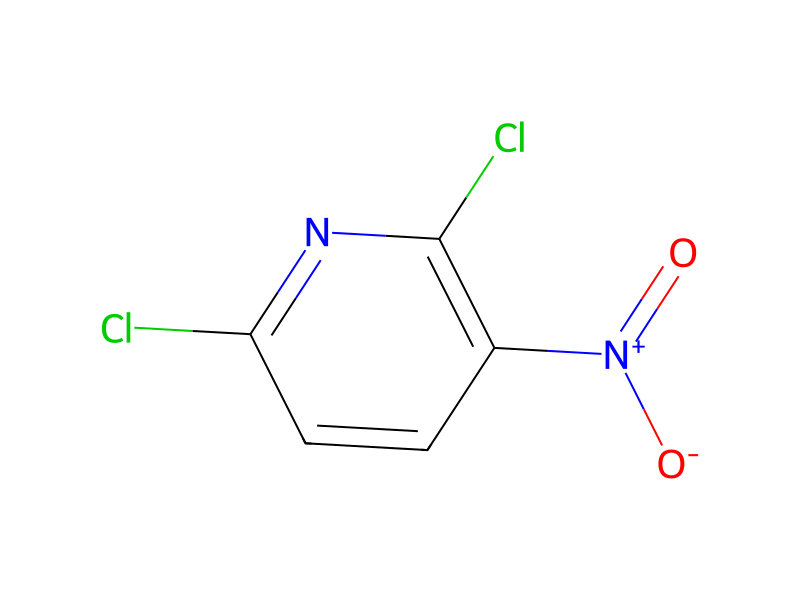
Product 1

Reagents, catalysts & solvents 1

Procedure
A solution of 51.22 g of N-acetylpiperazine in 200 ml of acetonitrile was added over 50 minutes at 0° C. to a mixture of 78 g of 2,6-dichloro-3-nitropyridine, 600 ml of acetonitrile and 66.3 g of potassium carbonate. The mixture was allowed to return to room temperature and was stirred for 75 minutes. The inorganic salts were filtered off and after 180 ml of N,N-diethylamine and 76 g of potassium carbonate were added to the filtrate, the mixture was refluxed for 75 minutes. The inorganic salts were filtered off after cooling and the filtrate was evaporated to dryness under reduced pressure. The 166.9 g of residue were crystallized from 200 ml of ethyl acetate to obtain 87.4 g of the expected product melting at 120° C.
Workup
- customto return to room temperature
- filtrationThe inorganic salts were filtered off
- additionafter 180 ml of N,N-diethylamine and 76 g of potassium carbonate were added to the filtrate
- temperaturethe mixture was refluxed for 75 minutes
- filtrationThe inorganic salts were filtered off
- temperatureafter cooling
- customthe filtrate was evaporated to dryness under reduced pressure
- customThe 166.9 g of residue were crystallized from 200 ml of ethyl acetate
Sources & evidence
- ORD record
- ord-184c3f3eb5cf4c42b2c2b41c7117b039
- Source dataset
- uspto-grants-1992_01
- Patent number
- US05081113
Reaction notes
Loading…