Sulfuric Acid → Quinacridone
Reaction equation

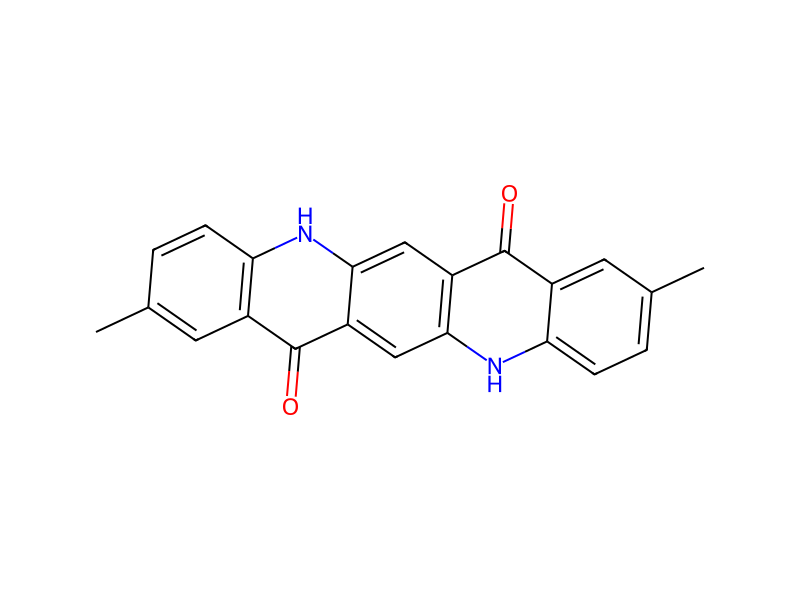
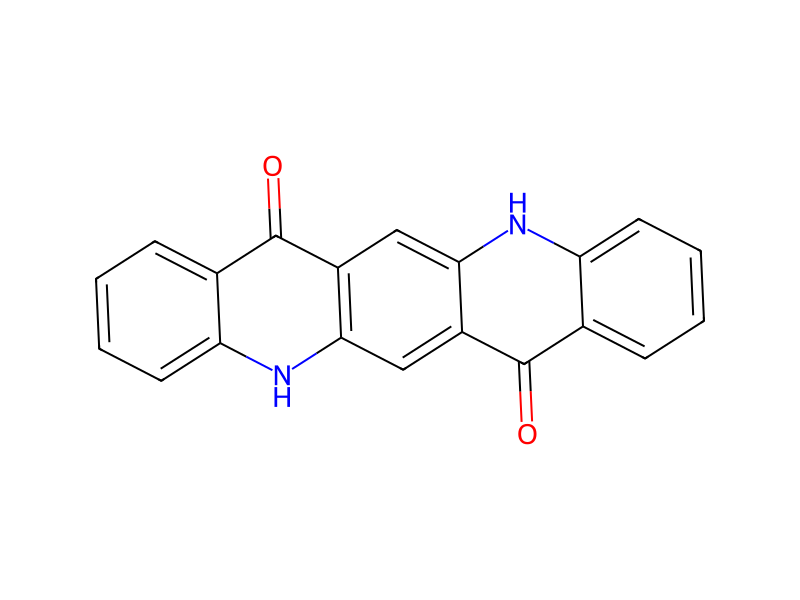
S(=O)(=O)(O)O.C(OS(C1C=CC=CC=1)(=O)=O)CCCCCCCCCCC.C([NH3+])(C)C.C[C:33]1[CH:38]=[CH:37][C:36]2[NH:39][C:40]3[C:45]([C:46](=[O:47])[C:35]=2[CH:34]=1)=[CH:44][C:43]1[NH:48][C:49]2[CH:56]=[CH:55][C:54](C)=[CH:53][C:50]=2[C:51](=[O:52])[C:42]=1[CH:41]=3>>[CH:54]1[CH:53]=[C:50]2[C:51]([C:42]3[C:43]([NH:48][C:49]2=[CH:56][CH:55]=1)=[CH:44][C:45]1[C:46]([C:35]2[C:36]([NH:39][C:40]=1[CH:41]=3)=[CH:37][CH:38]=[CH:33][CH:34]=2)=[O:47])=[O:52]Participants
4


Procedure
A suitable vessel is charged with 8182 kg of 1.5% sulfuric acid, 68.2 kg of isopropylammoniumdodecylbenzene sulfonate and 4909 kg of mill powder from above. The mixture is heated near its boiling point for 3 hours after which the pigmentary solid solution of 2,9-dimethylquinacridone and quinacridone is isolated in a suitable filtration device and washed free of acid and salts. The resulting water wet pigment may be either dried as such or further treated depending on the desired end use.
Workup
- temperatureThe mixture is heated near its
- customfor 3 hours
Sources & evidence
- ORD record
- ord-9abcc5969f7a4e5ab9effd71caf55501
- Source dataset
- uspto-grants-1992_01
- Patent number
- US05084100
Reaction notes
Loading…