Potassium Carbonate → HCID 57743332, compound
Reaction equation

[Br:1][C:2]1[CH:3]=[CH:4][C:5](F)=[C:6]([CH:9]=1)[CH:7]=[O:8].[Cl:11][C:12]1[CH:13]=[C:14]([CH:19]=[CH:20][C:21]=1[OH:22])[C:15]([O:17][CH3:18])=[O:16].C([O-])([O-])=O.[K+].[K+]>CN(C)C(=O)C>[CH3:18][O:17][C:15](=[O:16])[C:14]1[CH:19]=[CH:20][C:21]([O:22][C:5]2[CH:4]=[CH:3][C:2]([Br:1])=[CH:9][C:6]=2[CH:7]=[O:8])=[C:12]([Cl:11])[CH:13]=1Participants
5
Reactant 3


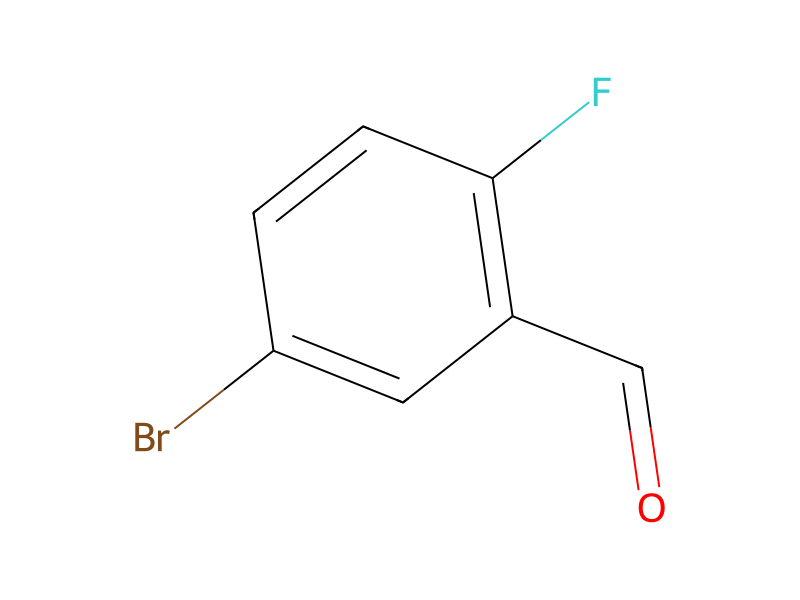
Product 1

Reagents, catalysts & solvents 1

Procedure
In a manner similar to the method described in Example 50a, 5-bromo-2-fluorobenzaldehyde (4.1 g, 20 mmol) (Alfa) was reacted with methyl 3-chloro-4-hydroxybenzoate (4 g, 21 mmol)(Lancaster) and K2CO3 in N,N-dimethylacetamide to give 4-(4-bromo-2-formyl-phenoxy)-3-chloro-benzoic acid methyl ester as an off white solid (Yield 3.7 g, 50%).
Sources & evidence
- ORD record
- ord-b5515284745d44b1b1d995ef75a6a8a9
- Source dataset
- uspto-grants-2012_03
- Patent number
- US08134001B2
Reaction notes
Loading…