Hydrazine → 1,2-Bis(4-methoxybenzyl)hydrazine
Reaction equation

[CH3:1][O:2][C:3]1[CH:10]=[CH:9][C:6]([CH:7]=O)=[CH:5][CH:4]=1.[NH2:11][NH2:12]>C(O)(C)C>[CH3:1][O:2][C:3]1[CH:10]=[CH:9][C:6]([CH2:7][NH:11][NH:12][CH2:7][C:6]2[CH:9]=[CH:10][C:3]([O:2][CH3:1])=[CH:4][CH:5]=2)=[CH:5][CH:4]=1Participants
Reactant 2

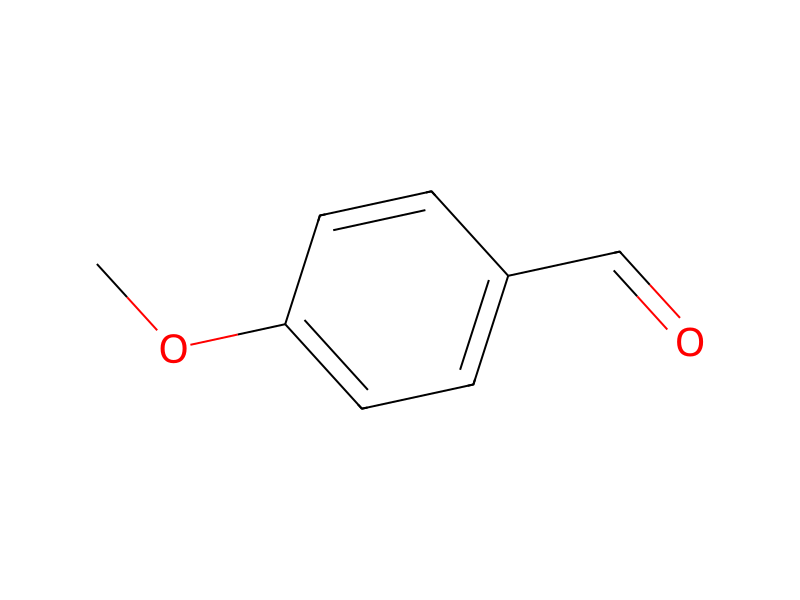
Product 1

Reagents, catalysts & solvents 1

Procedure
Di-(4-methoxybenzyl) azine was first prepared by reacting 2 moles of p-methoxybenzaldehyde with 1 mole hydrazine in isopropyl alcohol at 10° C. Di-(4-methoxybenzyl) hydrazine was obtained by reacting the azine with diborane in tetrahydrofurane under nitrogen atmosphere at or below 10° C. and isolated as an oil. The dihydrochloride salt of bis-(4-methoxybenzyl) hydrazine was obtained as white solid by mixing with hydrogen chloride gas in isopropanol followed by addition of methylene chloride and toluene (81% yield based on azine). 1,2-Di-(4-methoxybenzyl)hydrazine (3.5 g., 0.01 mole) and 1,3-dimorpholine-1,2-nitropropane (2.6 g., 0.01 mole) were suspended in a mixture of 30 ml of methanol and 20 ml of toluene and heated to reflux for 3 hr. The reaction mixture was evaporated to dryness and the residue extracted with toluene and filtered. The toluene filtrate was evaporated to give 3.5 g. brown oil which was purified by column chromatography using 10% diethyl ether - 90% methylene chloride on silica gel. Nuclear Magnetic Resonance and mass spectra confirmed the structure of title compound. The oil solidified after one day standing at room temperature.
Workup
- customat 10° C
Sources & evidence
- ORD record
- ord-1b1601d5ffb54f6fb2d34c1cf0c5bd9e
- Source dataset
- uspto-grants-1982_01
- Patent number
- US04309552
Reaction notes
Loading…