Benzoyl chloride → Triethylamine hydrochloride
Reaction equation

[C:1]([Cl:9])(=[O:8])[C:2]1[CH:7]=[CH:6][CH:5]=[CH:4][CH:3]=1.[N:10]1[CH:15]=[CH:14][C:13]([CH2:16][NH2:17])=[CH:12][CH:11]=1.[CH2:18]([N:20]([CH2:23][CH3:24])[CH2:21][CH3:22])[CH3:19]>C(Cl)(Cl)Cl>[NH:10]1[CH2:15][CH2:14][CH:13]([CH2:16][NH:17][C:1](=[O:8])[C:2]2[CH:7]=[CH:6][CH:5]=[CH:4][CH:3]=2)[CH2:12][CH2:11]1.[ClH:9].[CH2:18]([N:20]([CH2:23][CH3:24])[CH2:21][CH3:22])[CH3:19]Participants
Reactant 3



Product 2
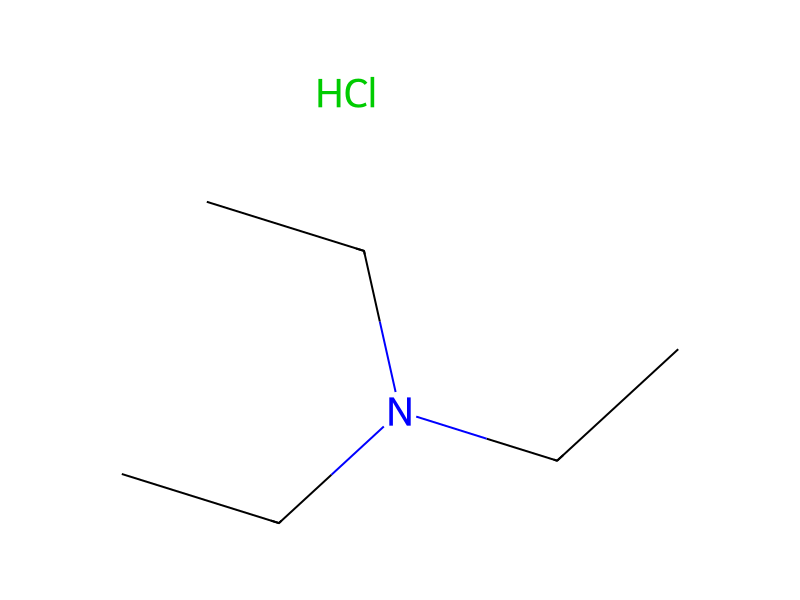

Reagents, catalysts & solvents 1

Procedure
N-(4-Piperidinylmethyl)benzamide was synthesized by the dropwise addition of 0.12 mole benzoyl chloride to a mixture composed of 0.12 mole 4-pyridylmethylamine and 0.122 mole triethylamine in 75 ml. dry chloroform with constant stirring over a period of 30 minutes. The contents of the reaction vessel were maintained at 10°-15° C. throughout the addition of the benzoyl chloride and for a period of thirty minutes thereafter. Triethylamine hydrochloride, which formed during the course of the reaction, was removed by filtration and the remaining filtrate evacuated in vacuo to yield the crude N-(4-pyridylmethyl)benzamide intermediate. The crude product was recrystallized from aqueous alcohol to give pure product, melting point 176.7° C., 80.5% yield.
Sources & evidence
- ORD record
- ord-353761054b14456da24de10a4d2a93c2
- Source dataset
- uspto-grants-1982_01
- Patent number
- US04310532
Reaction notes
Loading…