Tributylamine → N,N'-Dicyclohexylurea
Reaction equation

C[C@@H]1N(S(O)(=O)=O)C(=[O:5])[C@H]1NC(/C(/C1N=C(N)SC=1)=N\OC(C(O)=O)(C)C)=O.C(N(CCCC)CCCC)CCC.OC1C2N=NNC=2C=CC=1.CN(C1C=CC=CN=1)C.[CH:61]1([N:67]=[C:68]=[N:69][CH:70]2[CH2:75][CH2:74][CH2:73][CH2:72][CH2:71]2)[CH2:66][CH2:65][CH2:64][CH2:63][CH2:62]1>CN(C)C=O>[C:68]([NH:67][CH:61]1[CH2:62][CH2:63][CH2:64][CH2:65][CH2:66]1)([NH:69][CH:70]1[CH2:75][CH2:74][CH2:73][CH2:72][CH2:71]1)=[O:5]Participants






Procedure
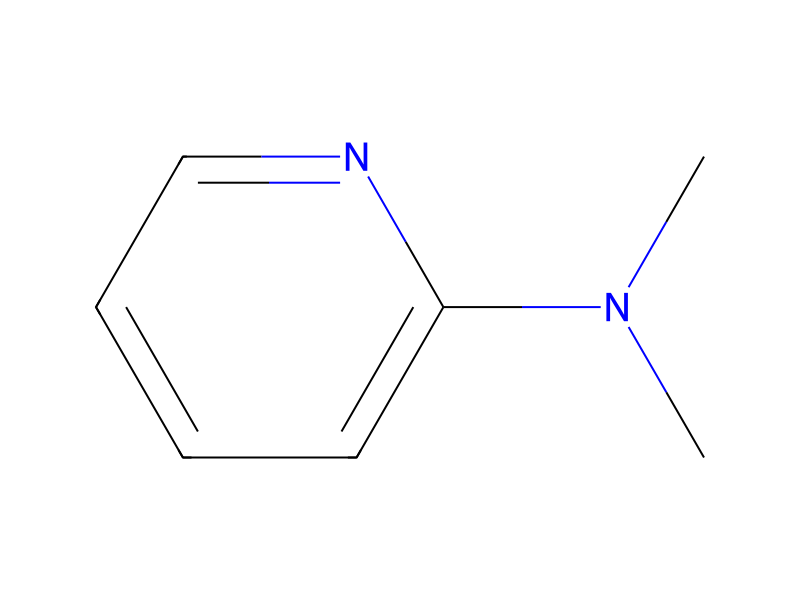
To a solution of aztreonam (2.29 g, 5.27 mmol) in 35 ml dimethylformamide were added tributylamine (0.97 g, 5.27 mmol), hydroxybenzotriazole (0.78 g, 5.79 mmol), dimethylaminopyridine (0.064 g, 0.53 mmol) and dicyclohexylcarbodiimide (1.19 g, 5.79 mmol). After stirring for 30 minutes, the resulting dicyclohexylurea (0.47 g, 40.1%) was filtered off and solution (a) was added to the filtrate. After stirring overnight at room temperature, the mixture was filtered (yielding 0.53 g, 45% of dicyclohexylurea) and evaporated. The residue was taken up in acetone, filtered, and 9.0 ml of 10% potassium perfluorobutane sulfonic acid in acetone were added. The resulting precipitate was filtered off (1.70 g), dissolved in water and chromatographed on XAD under MPLC conditions with a water - acetonitrile gradient. The sample-containing fractions were collected and freeze-dried to give 250 mg (6.9%) of Example 3.
Workup
- filtrationthe resulting dicyclohexylurea (0.47 g, 40.1%) was filtered off
- additionsolution (a) was added to the filtrate
- stirringAfter stirring overnight at room temperature
- filtrationthe mixture was filtered
Sources & evidence
- ORD record
- ord-740c65989f484185b8eea839091edd74
- Source dataset
- uspto-grants-1994_06
- Patent number
- US05318963
Reaction notes
Loading…