Pyridine → N-[4-(hydroxyiminomethyl)phenyl]-N'-n-propoxycarbonylmethylurea
Reaction equation

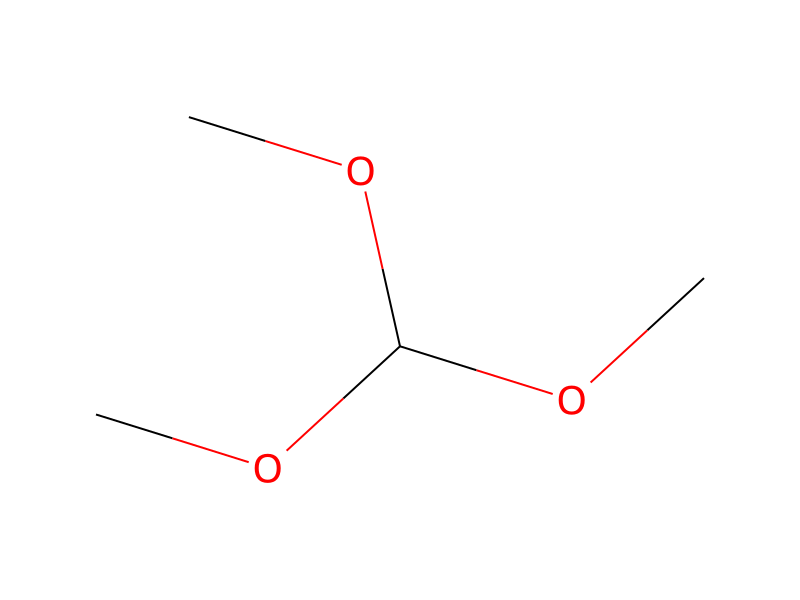
[N-:1]=[C:2]=[O:3].[CH2:4]([O:7][C:8](=[O:11])[CH2:9][NH2:10])[CH2:5][CH3:6].[N:12]1[CH:17]=[CH:16][CH:15]=[CH:14][CH:13]=1.Cl.N[OH:20].C(OC)(OC)OC.[CH2:28]1COC[CH2:29]1>CO>[OH:20][N:12]=[CH:17][C:16]1[CH:29]=[CH:28][C:13]([NH:1][C:2]([NH:10][CH2:9][C:8]([O:7][CH2:4][CH2:5][CH3:6])=[O:11])=[O:3])=[CH:14][CH:15]=1Participants





Procedure
A solution of 0.1 mol of p-aminobenzaldehyde ethylene glycol acetal in 100 mL of anhydrous THF is added dropwise over 10 minutes to a solution of 0.1 mol of glycine n-propyl ester isocyanate and 0.35 mol pyridine in 100 mL THF at room temperature under N2. The reaction mixture is stirred at room temperature for 2 hours. After 2 hours the solvent is removed by rotary evaporator. A solution of 0.11 mmol hydroxylamine hydrochloride and 0.1 mol trimethyl orthoformate in CH3OH is added, and the reaction mixture is heated to reflux under N2 for 1 hour. The reaction mixture is reduced to about 1/4 volume by rotary evaporator, and water is added. The product, N-[4-(hydroxyiminomethyl)phenyl]-N'-n-propoxycarbonylmethylurea, is isolated by filtration and dried in vacuo.
Workup
- customAfter 2 hours the solvent is removed by rotary evaporator
- temperaturethe reaction mixture is heated
- temperatureto reflux under N2 for 1 hour
- customThe reaction mixture is reduced to about 1/4 volume by rotary evaporator, and water
- additionis added
Sources & evidence
- ORD record
- ord-8b000cacd3dc405b80f383c93bdc69f8
- Source dataset
- uspto-grants-1990_12
- Patent number
- US04977272
Reaction notes
Loading…