Chloroacetyl chloride → Benzenepropanoic acid, 4-(chloroacetyl)-, methyl ester
Reaction equation

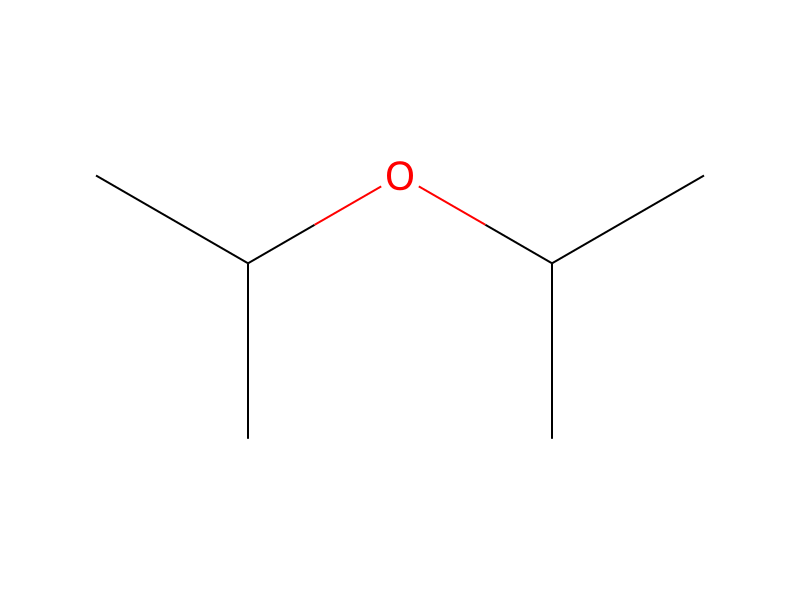
[C:1]1([CH2:7][CH2:8][C:9]([O:11][CH3:12])=[O:10])[CH:6]=[CH:5][CH:4]=[CH:3][CH:2]=1.[Cl:13][CH2:14][C:15](Cl)=[O:16].[Cl-].[Al+3].[Cl-].[Cl-].C(OC(C)C)(C)C>ClCCl>[Cl:13][CH2:14][C:15]([C:4]1[CH:5]=[CH:6][C:1]([CH2:7][CH2:8][C:9]([O:11][CH3:12])=[O:10])=[CH:2][CH:3]=1)=[O:16]Participants





Conditions
- Temperature
- 0 °C
Procedure
A mixture of 50 g of methyl 3-phenylpropionate, 51.6 g of chloroacetyl chloride and 250 ml of dichloromethane was cooled to 0° C. Then at 0° to 10° C. with stirring, 122 g of aluminum chloride was added slowly, stirred at a room temperature for 2 hours and allowed to stand overnight. The reaction mixture was poured into an ice-concentrated hydrochloric acid and extracted with chloroform, then the chloroform layer was washed with water, dried and the chloroform was removed by distillation to obtain the residue, then isopropyl ether was added to the residue to effect crystallization. The crystals were collected by filtration, and recrystallized from ethanol to obtain 53.4 g of methyl 3-(4-chloroacetylphenyl)-propionate. Colorless needle-like crystals. Melting point: 90°-92° C.
Workup
- stirringstirred at a room temperature for 2 hours
- extractionextracted with chloroform
- washthe chloroform layer was washed with water
- customdried
- customthe chloroform was removed by distillation
- customto obtain the residue
- customcrystallization
- filtrationThe crystals were collected by filtration
- customrecrystallized from ethanol
Sources & evidence
- ORD record
- ord-62199e5afa814648bce5587d540a3508
- Source dataset
- uspto-grants-1984_12
- Patent number
- US04487772
Reaction notes
Loading…