Hydrochloric Acid → HCID 178460722, compound
Reaction equation

Cl.Cl.[CH3:3][O:4][C:5]([NH:7][C:8]1[NH:12][C:11]2[CH:13]=[CH:14][C:15]([S:17](Cl)(=O)=O)=[CH:16][C:10]=2[N:9]=1)=[O:6].[CH3:21][CH2:22][CH2:23]Br>[Fe]>[CH3:3][O:4][C:5]([NH:7][C:8]1[NH:12][C:11]2[CH:13]=[CH:14][C:15]([S:17][CH2:21][CH2:22][CH3:23])=[CH:16][C:10]=2[N:9]=1)=[O:6]Participants
5
Reactant 3

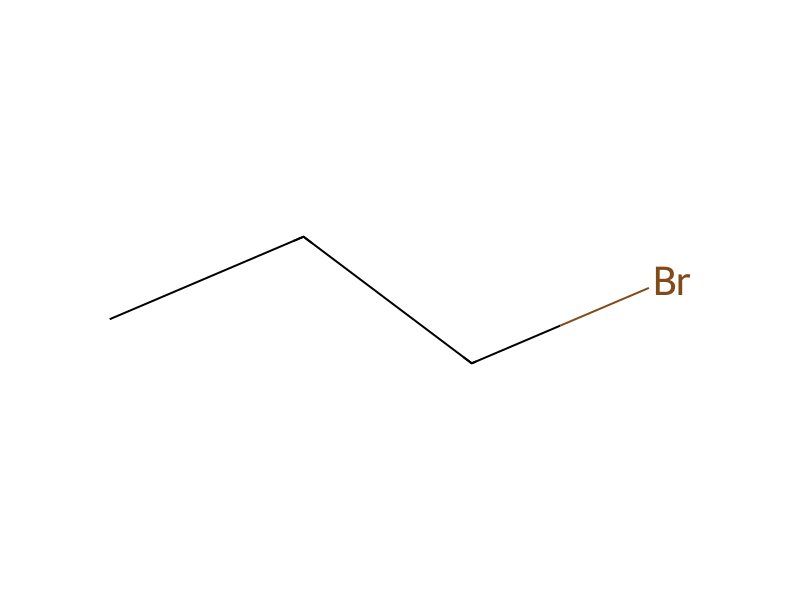

Product 1

Reagents, catalysts & solvents 1

Procedure
Into 100 ml. of a 10% aqueous hydrochloric acid solution 1.5 g. of Sn powder are added at 0 to 10° C., followed by the addition of 10.8 g. (0.033 moles) of 2-[(methoxycarbonyl)amino]-1H-benzimidazol-5-sulfonic acid chloride hydrochloride. The reaction mixture is stirred at the same temperature for one hour. Thereafter 10 g. of Fe powder are added and it is stirred at 25° to 30° C. for 6 hours. The metals are dissolved and 2-[(methoxycarbonyl)amino]-1H-benzimidazole-5-thiol precipitates. The precipitate is filtered off, dissolved in a 10% aqueous potassium hydroxide solution and is subsequently reacted with 6 ml. of n-propyl bromide at 40° to 45° C.
Workup
- additionof Sn powder are added at 0 to 10° C.
- additionfollowed by the addition of 10.8 g
- stirringit is stirred at 25° to 30° C. for 6 hours
- dissolutionThe metals are dissolved
- custom2-[(methoxycarbonyl)amino]-1H-benzimidazole-5-thiol precipitates
- filtrationThe precipitate is filtered off
- dissolutiondissolved in a 10% aqueous potassium hydroxide solution
- customis subsequently reacted with 6 ml
- customat 40° to 45° C.
Sources & evidence
- ORD record
- ord-e70d0b7eada440df97a6196af81c3019
- Source dataset
- uspto-grants-1984_12
- Patent number
- US04487936
Reaction notes
Loading…