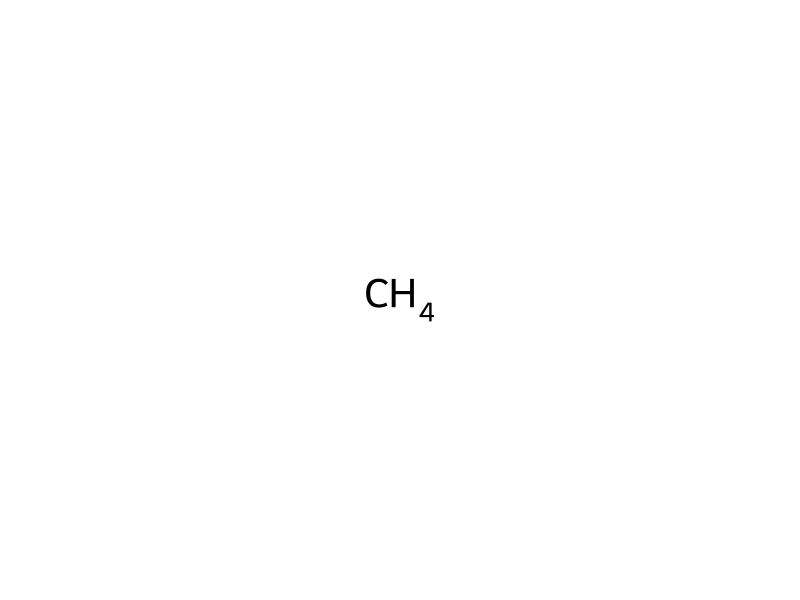
Methane → HCID 612061, compound
Reaction equation

NC1C=C(OC)C(OC)=CC=1.N([O-])=O.[Na+].[CH3:16][O:17][C:18]1[CH:19]=[C:20]([C:26]2[CH:31]=[CH:30][CH:29]=[CH:28][N:27]=2)[CH:21]=[CH:22][C:23]=1[O:24][CH3:25].[CH3:32][O:33][C:34]1[CH:35]=[C:36]([C:42]2[CH:47]=[CH:46][N:45]=[CH:44][CH:43]=2)[CH:37]=[CH:38][C:39]=1[O:40][CH3:41].C.Cl.[CH3:50][O:51][C:52]1[CH:53]=[C:54]([C:60]2[CH:61]=[N:62][CH:63]=[CH:64][CH:65]=2)[CH:55]=[CH:56][C:57]=1[O:58][CH3:59]>Cl.N1C=CC=CC=1.O>[CH3:32][O:33][C:34]1[CH:35]=[C:36]([C:42]2[CH:47]=[CH:46][N:45]=[CH:44][CH:43]=2)[CH:37]=[CH:38][C:39]=1[O:40][CH3:41].[CH3:50][O:51][C:52]1[CH:53]=[C:54]([C:60]2[CH:61]=[N:62][CH:63]=[CH:64][CH:65]=2)[CH:55]=[CH:56][C:57]=1[O:58][CH3:59].[CH3:16][O:17][C:18]1[CH:19]=[C:20]([C:26]2[CH:31]=[CH:30][CH:29]=[CH:28][N:27]=2)[CH:21]=[CH:22][C:23]=1[O:24][CH3:25]Participants
Reactant 6



Product 3

Reagents, catalysts & solvents 3



Procedure
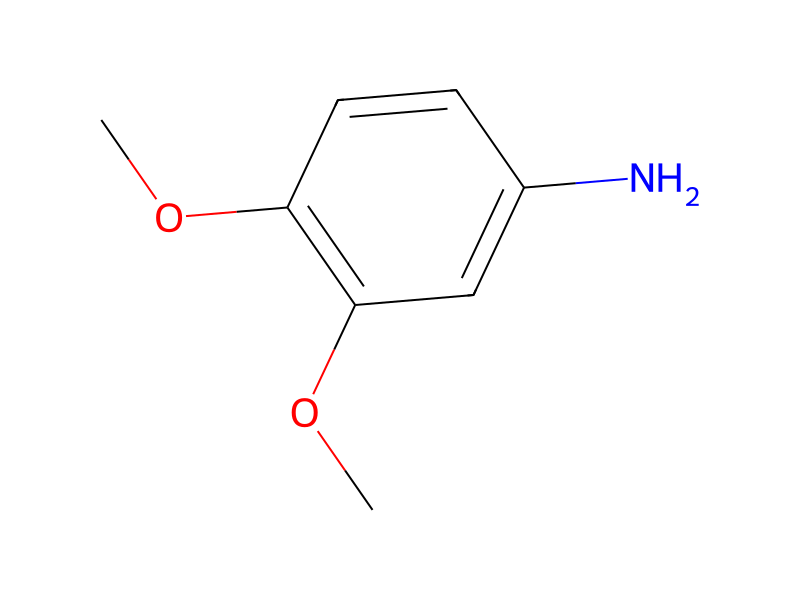
The intermediate 4-(3,4-dimethoxyphenyl)pyridine and its isomeric 3-(3,4-dimethoxyphenyl)pyridine and 2-(3,4-dimethoxyphenyl)pyridine were prepared as follows. To a stirred mixture cooled in an ice-salt bath and containing 200 g. of 4-aminoveratrole, 400 ml. of concentrated hydrochloric acid and 100 ml. of water was added a solution containing 102 g. of sodium nitrite in 180 ml. of water over a two hour period, while maintaining a reaction temperature below 5° C. during this addition. The reaction mixture was stirred further for an additional fifteen minutes and then added slowly over a period of about two and one-half hours to 2 l. of stirred pyridine preheated to 40° C., keeping the internal temperature between 45°-55° C. The mixture was then heated on A steam bath for one hour, allowed to stand at room temperature overnight (about fifteen hours) and then the solvent was distilled off in vacuo on a steam bath. To the residue was added 400 ml. of concentrated hydrochloric acid and 600 ml. of water and the mixture was slurried well. The mixture was extracted with three 600 ml. portions of chloroform. The aqueous layer was treated with decolorizing charcoal and filtered. The filtrate was made basic by adding aqueous ammonia and the oily product that separated was extracted with chloroform. The chloroform was distilled off in vacuo to yield 165.7 g. of an oily product, which consisted of a mixture of the three isomeric 4-, 3-, and 2-(3,4-dimethoxyphenyl)pyridines. These three isomers were separated by chromatography using 2 kg. of silica gel column set in a 2 l. sintered glass funnel successively using by volume 1:1 n-hexane-ether, ether alone and than 2% methanol in ether. Evaporation of the ether eluate yielded 67.8 g. of 2-(3,4-dimethoxyphenyl)pyridine, m.p. 76°- 78° C. Evaporation of the 2% methanol-in-ether eluate yielded a mixture of the 3- and 4-isomers, 45.6 g., as a semi-solid, which was crystallized from ether to produce 24.8 g. of 4-(3,4-dimethoxyphenyl)pyridine, m.p. 101°-103° C. The mother liquor was combined with another faction which contained a mixture of 30.8 g. of the 2-, 3-, and 4-isomers as a red oil and the mixture was rechromatographed as above. There was then obtained another 15 g. of the 2-isomer and the remaining mixture, predominantly the 3-isomer, was dissolved in 6N HCl, 300 ml., and the solution treated with decolorizing charcoal. The filtrate was concentrated on a rotary-evaporator to yield a greenish residue, which was recrystallized from isopropyl alcohol to produce 33 g. of 3-(3,4-dimethoxyphenyl)pyridine hydrochloride, m.p. 198°-200° C.
Workup
- temperatureTo a stirred mixture cooled in an ice-salt bath
- additioncontaining 200 g
- additioncontaining 102 g
- temperaturewhile maintaining a reaction temperature below 5° C.
- additionduring this addition
- additionadded slowly over a period of about two and one-half hours to 2 l
- custompreheated to 40° C.
- custombetween 45°-55° C
- temperatureThe mixture was then heated on A steam bath for one hour
- distillation(about fifteen hours) and then the solvent was distilled off in vacuo on a steam bath
- additionTo the residue was added 400 ml
- extractionThe mixture was extracted with three 600 ml
- additionThe aqueous layer was treated with decolorizing charcoal
- filtrationfiltered
- additionby adding aqueous ammonia
- customthe oily product that separated
- extractionwas extracted with chloroform
- distillationThe chloroform was distilled off in vacuo
- customto yield 165.7 g
- customThese three isomers were separated by chromatography
- customsintered glass funnel successively using by volume 1:1 n-hexane-ether, ether
- customEvaporation of the ether
- customeluate yielded 67.8 g
- customEvaporation of the 2% methanol-in-ether
- customeluate yielded
- additiona mixture of the 3- and 4-isomers, 45.6 g
- custom, as a semi-solid, which was crystallized from ether
- customto produce 24.8 g
- additiona mixture of 30.8 g
- customof the 2-, 3-, and 4-isomers as a red oil and the mixture was rechromatographed as above
- customThere was then obtained another 15 g
- concentrationThe filtrate was concentrated on a rotary-evaporator
- customto yield a greenish residue, which
- customwas recrystallized from isopropyl alcohol
- customto produce 33 g
Sources & evidence
- ORD record
- ord-d646b30eb316428ea23171ff47480100
- Source dataset
- uspto-grants-1981_11
- Patent number
- US04302462
Reaction notes
Loading…