Hydrazine hydrate (1:1) → HCID 20536176, compound
Reaction equation

C1(=O)[N:5]([CH2:6][CH2:7][CH2:8][O:9][C:10]2[CH:15]=[CH:14][C:13]([N+:16]([O-:18])=[O:17])=[CH:12][C:11]=2[NH:19][C:20](=[O:22])[CH3:21])C(=O)C2=CC=CC=C12.O.NN>C(O)CC>[NH2:5][CH2:6][CH2:7][CH2:8][O:9][C:10]1[CH:15]=[CH:14][C:13]([N+:16]([O-:18])=[O:17])=[CH:12][C:11]=1[NH:19][C:20](=[O:22])[CH3:21]Participants
4
Reactant 2


Product 1

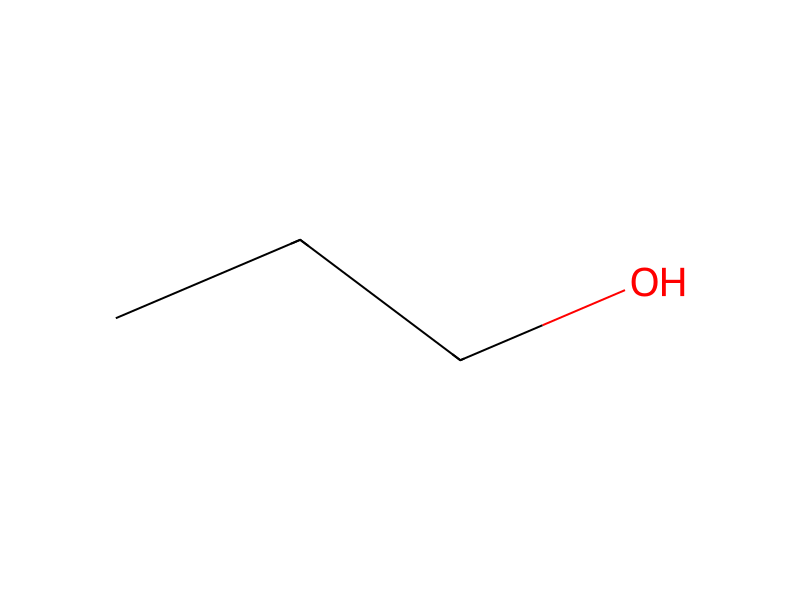
Reagents, catalysts & solvents 1
Conditions
- Temperature
- 0 °C
Procedure
0.03 mol (11.5 g) of 2-acetylamino-4-nitrophenyl γ-phthalimidopropyl ether and 3 cm3 of 98% pure hydrazine hydrate in 120 cm3 of normal propyl alcohol are heated for 15 minutes on a boiling waterbath. After hot filtration, the filtrate is cooled to 0° C. The expected product precipitates. It is taken up in a dilute solution of sodium hydroxide, and the sodium hydroxide phase is extracted with chloroform. By concentrating the solvent in vacuo, the expected product, which melts at 110°-120° C., is obtained.
Workup
- filtrationAfter hot filtration
- customThe expected product precipitates
- extractionthe sodium hydroxide phase is extracted with chloroform
- concentrationBy concentrating the solvent in vacuo
Sources & evidence
- ORD record
- ord-01f5ff3b3e6648538f7aab8d76abfd9a
- Source dataset
- uspto-grants-1982_06
- Patent number
- US04333730
Reaction notes
Loading…