Imidazole → HCID 86738424, compound
Reaction equation

[NH:1]1[CH:5]=[CH:4][N:3]=[CH:2]1.C([O-])(=O)CCCCCCCCCCC.C([O-])(=O)CCCCCCCCCCC.C([Sn+2]CCCC)CCC.[O:43]=[C:44]=[N:45][CH:46]1[CH2:55][C:54]([CH3:57])([CH3:56])[CH2:53][C:48]([CH3:58])([CH2:49][N:50]=[C:51]=[O:52])[CH2:47]1.[N-]=C=O>O1CCCC1>[NH:1]1[CH:5]=[CH:4][N:3]=[CH:2]1.[O:43]=[C:44]=[N:45][CH:46]1[CH2:55][C:54]([CH3:57])([CH3:56])[CH2:53][C:48]([CH3:58])([CH2:49][N:50]=[C:51]=[O:52])[CH2:47]1Participants
Reactant 4

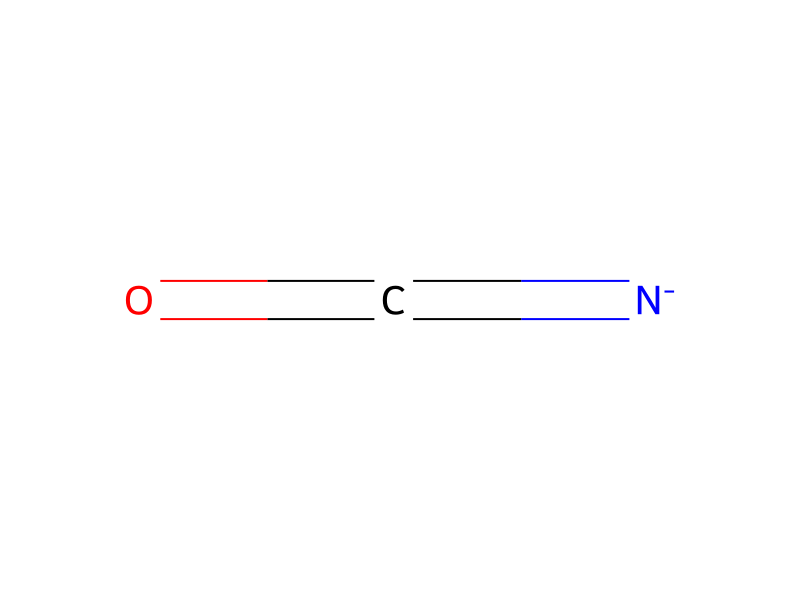
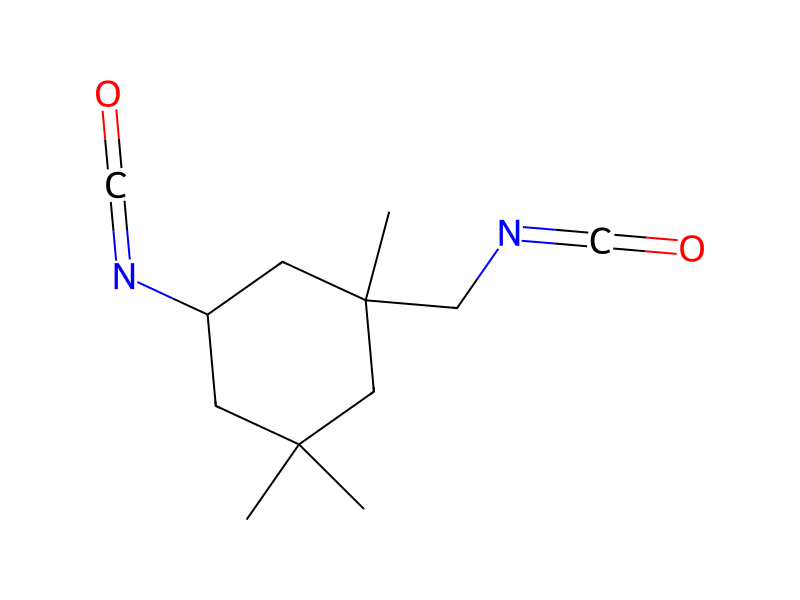

Product 1

Reagents, catalysts & solvents 1

Procedure
In a three-neck flask, provided with a magnetic stirrer, thermometer, and dropping funnel, there was placed 17.1 grams (0.25 moles) imidazole, 75 ml tetrahydrofuran, and 0.1 gram dibutyl tin dilaurate. After this material was mixed and the imidazole dissolved, 27.9 grams (0.125 moles) of isophorone diisocyanate was added dropwise while keeping the temperature between about 18°-25° C. with an ice water bath. After the isophorone diisocyanate was added, the solution was stirred for two hours and then allowed to stand for about a 12-hour period at room temperature (70° F). Isocyanate analysis showed that all of the isocyanate had reacted. The product was recovered by flashing the tetrahydrofuran at 55° C. under vacuum and then drying by placing the solids in a vacuum oven at 60° C. About 44 grams of isophorone diisocyanate blocked imidazole product was recovered.
Workup
- customIn a three-neck flask, provided with a magnetic stirrer
- additionAfter this material was mixed
- custombetween about 18°-25° C.
- customto stand for about a 12-hour period at room temperature
- custom(70° F)
- customhad reacted
- customThe product was recovered
- customat 55° C.
- customdrying
- customat 60° C
- customwas recovered
Sources & evidence
- ORD record
- ord-1e34bbbfc51842529c15da33b17f05c2
- Source dataset
- uspto-grants-1982_06
- Patent number
- US04335228
Reaction notes
Loading…