Chloroacetonitrile → Tert-butyl 4-(cyanomethyl)piperazine-1-carboxylate
Reaction equation

[C:1]([N:8]1[CH2:13][CH2:12][NH:11][CH2:10][CH2:9]1)([O:3][C:4]([CH3:7])([CH3:6])[CH3:5])=[O:2].Cl[CH2:15][C:16]#[N:17]>C1COCC1.C(N(CC)CC)C>[C:16]([CH2:15][N:11]1[CH2:10][CH2:9][N:8]([C:1]([O:3][C:4]([CH3:7])([CH3:6])[CH3:5])=[O:2])[CH2:13][CH2:12]1)#[N:17]Participants
5
Reactant 2
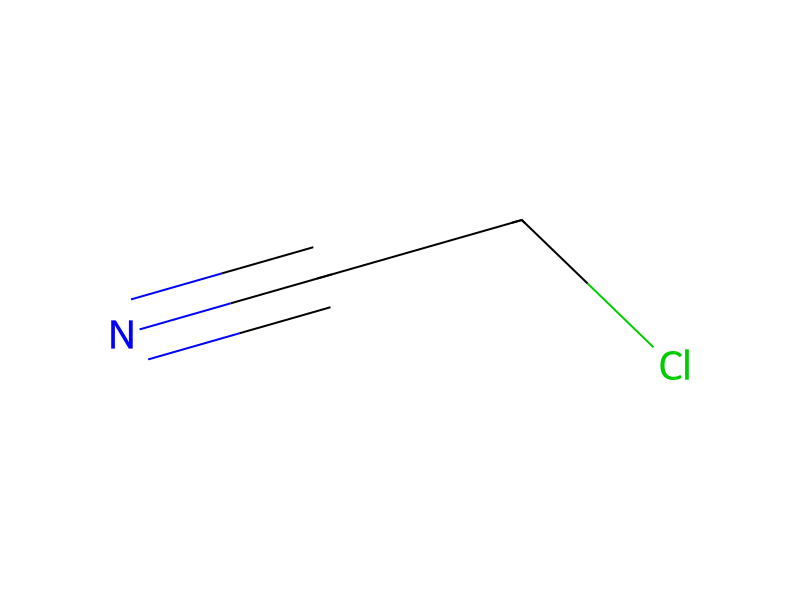

Product 1

Reagents, catalysts & solvents 2


Procedure
To a stirred solution of N-Boc piperazine (1 g) in dry THF (20 ml), triethylamine (3 ml), followed by chloroacetonitrile (5.02 ml) were added dropwise. The reaction mixture was allowed to stir at room temperature for overnight. The solvent was removed under vacuum and residue was diluted ethyl acetate (20 ml). The organic layer was concentrated to dryness under reduced pressure to afford tert-butyl 4-(cyanomethyl)piperazine-1-carboxylate, which was used for the next reaction without further purification.
Workup
- additionwere added dropwise
- customThe solvent was removed under vacuum and residue
- concentrationThe organic layer was concentrated to dryness under reduced pressure
Sources & evidence
- ORD record
- ord-7f645550e2b74a4886aa6b6fc1f29716
- Source dataset
- uspto-grants-2010_10
- Patent number
- US07807671B2
Reaction notes
Loading…