Water → 2-(4-chlorophenoxy)benzaldehyde
Reaction equation

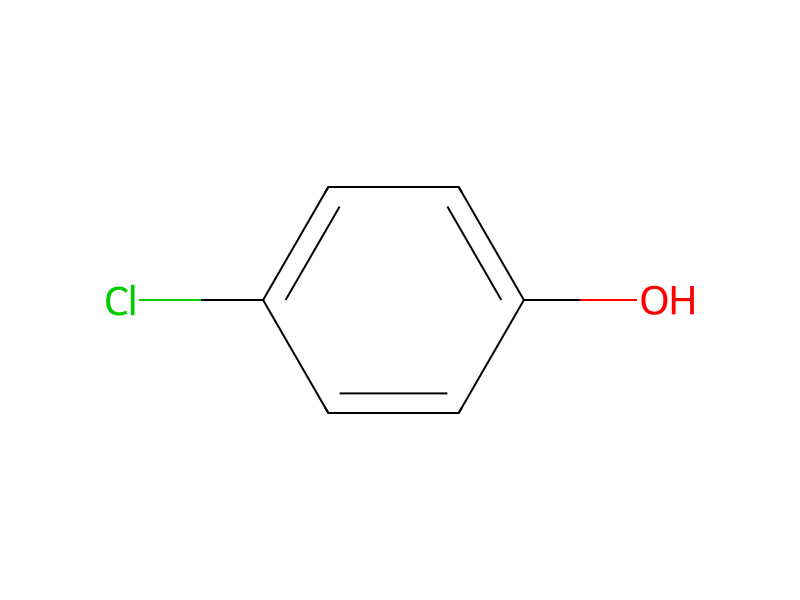
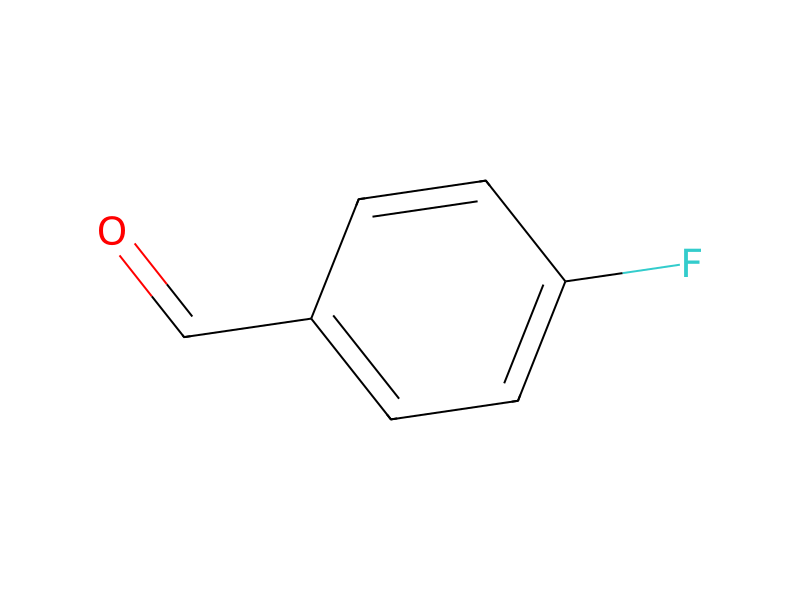
[Cl:1][C:2]1[CH:7]=[CH:6][C:5]([OH:8])=[CH:4][CH:3]=1.F[C:10]1[CH:17]=[CH:16][C:13]([CH:14]=[O:15])=[CH:12][CH:11]=1.C([O-])([O-])=O.[Cs+].[Cs+].O>CN(C=O)C>[Cl:1][C:2]1[CH:7]=[CH:6][C:5]([O:8][C:12]2[CH:11]=[CH:10][CH:17]=[CH:16][C:13]=2[CH:14]=[O:15])=[CH:4][CH:3]=1Participants
6
Reactant 4


Product 1

Reagents, catalysts & solvents 1

Conditions
- Temperature
- 90 °C
Procedure
A heterogeneous mixture of 4-chlorophenol (14.1 g, 0.11 mmol), 4-fluorobenzaldehyde 12.4 g, 0.1 mmol) and Cs2CO3 (65.0 g, 0.20 mmol) in DMF (400 mL) was stirred at 90° C. for 6 h. The reaction mixture was poured into water (1.2 L) and extracted with ethyl acetate (2×200 mL). The organic phase was washed with water (2×100 mL), dried and concentrated to give essentially pure 4-chlorophenoxybenzaldehyde, which was used directly for the next step.
Workup
- extractionextracted with ethyl acetate (2×200 mL)
- washThe organic phase was washed with water (2×100 mL)
- customdried
- concentrationconcentrated
Sources & evidence
- ORD record
- ord-4c1683974b284e14af3b295cc7dea258
- Source dataset
- uspto-grants-2010_10
- Patent number
- US07807692B2
Reaction notes
Loading…