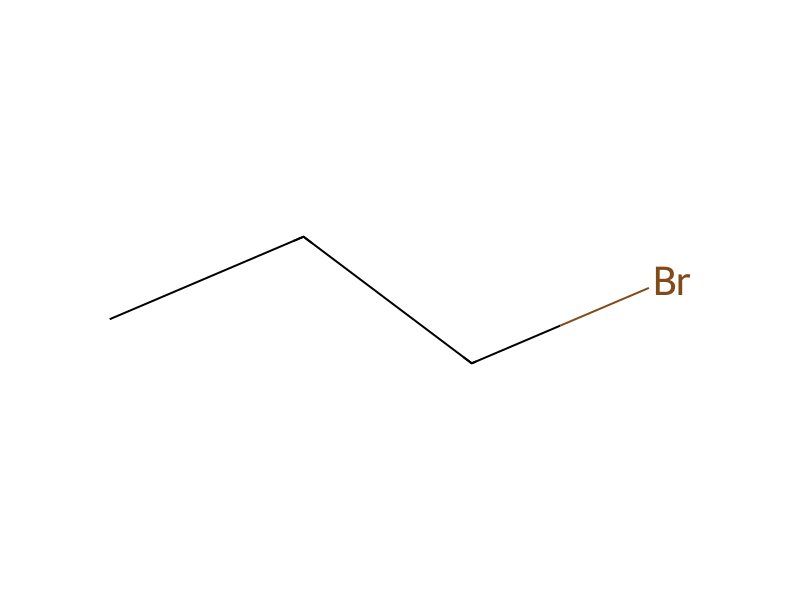
1-Bromopropane → Ethyl 2-cyano-2-[2-methoxy-3-(2-chlorophenoxy)phenyl]valerate
Reaction equation

[H-].[Na+].[C:3]([CH:5]([C:11]1[CH:16]=[CH:15][CH:14]=[C:13]([O:17][C:18]2[CH:23]=[CH:22][CH:21]=[CH:20][C:19]=2[Cl:24])[C:12]=1[O:25][CH3:26])[C:6]([O:8][CH2:9][CH3:10])=[O:7])#[N:4].[CH3:27][CH2:28][CH2:29]Br>>[C:3]([C:5]([C:11]1[CH:16]=[CH:15][CH:14]=[C:13]([O:17][C:18]2[CH:23]=[CH:22][CH:21]=[CH:20][C:19]=2[Cl:24])[C:12]=1[O:25][CH3:26])([CH2:27][CH2:28][CH3:29])[C:6]([O:8][CH2:9][CH3:10])=[O:7])#[N:4]Participants
4



Procedure
Sodium hydride (50%, 920 mg), ethyl 2-cyano-2-[2-methoxy-3-(2-chlorophenoxy)phenyl]acetate (6 g) and n-propyl bromide (3.2 g) were treated in a similar manner to that of Example 10-(5) to give oily ethyl 2-cyano-2-[2-methoxy-3-(2-chlorophenoxy)phenyl]valerate (7 g).
Sources & evidence
- ORD record
- ord-d5cc01cc2c9d44d19ce860756ddec2e9
- Source dataset
- uspto-grants-1983_01
- Patent number
- US04367238
Reaction notes
Loading…