Potassium Carbonate → HCID 14878008, compound
Reaction equation

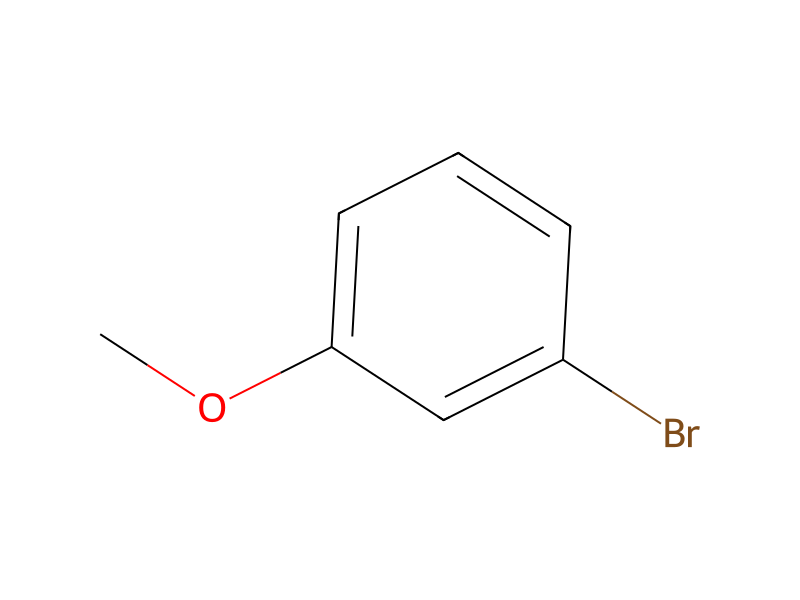
[NH:1]1[C:9]2[C:4](=[CH:5][CH:6]=[CH:7][CH:8]=2)[CH:3]=[C:2]1[C:10]([OH:12])=[O:11].Br[C:14]1[CH:15]=[C:16]([O:20][CH3:21])[CH:17]=[CH:18][CH:19]=1.C(=O)([O-])[O-].[K+].[K+]>CN(C)C=O.O>[CH3:21][O:20][C:16]1[CH:15]=[C:14]([N:1]2[C:9]3[C:4](=[CH:5][CH:6]=[CH:7][CH:8]=3)[CH:3]=[C:2]2[C:10]([OH:12])=[O:11])[CH:19]=[CH:18][CH:17]=1Participants
Reactant 3


Product 1

Reagents, catalysts & solvents 2


Conditions
- Temperature
- 170 °C
Procedure
The starting ester is prepared in the following manner: A mixture of indole-2-carboxylic acid (8.06 g), m-bromoanisole (9.35 g), anhydrous potassium carbonate (7 g) and cupric oxide (0.25 g) in dimethylformamide (10 ml) is heated at 170° C. under nitrogen for 18 hrs., diluted with a further 20 ml of solvent and heated 6 hours longer. It is cooled, diluted with water (500 ml) and extracted with methylene chloride (3×100 ml). The filtered aqueous layer is acidified with cold concentrated hydrochloric acid, refrigerated overnight and the precipitated product recrystallized from methanol to afford pure 1-(3-methoxypheny)indole-2-carboxylic acid (6.1 g), mp. 194°-196°. This acid (3.3 g) absolute ethanol (100 ml) and concentrated sulphuric acid (1.1 ml) are refluxed overnight, cooled, treated with water (50 ml) and the ethyl ester crystallizes. The crude ester (34 g) in trifluoroacetic acid (280 ml) is reduced with sodium borohydride (17.3 g) as described in Example 5 to afford ethyl 2,3-dihydro-1-(3-methoxyphenyl)indole-2-carboxylate as an oil.
Workup
- temperatureheated 6 hours longer
- temperatureIt is cooled
- extractionextracted with methylene chloride (3×100 ml)
- customis acidified with cold concentrated hydrochloric acid, refrigerated overnight
- customthe precipitated product recrystallized from methanol
Sources & evidence
- ORD record
- ord-1ac380929ff24470a75276d1b7101570
- Source dataset
- uspto-grants-1990_03
- Patent number
- US04908376
Reaction notes
Loading…