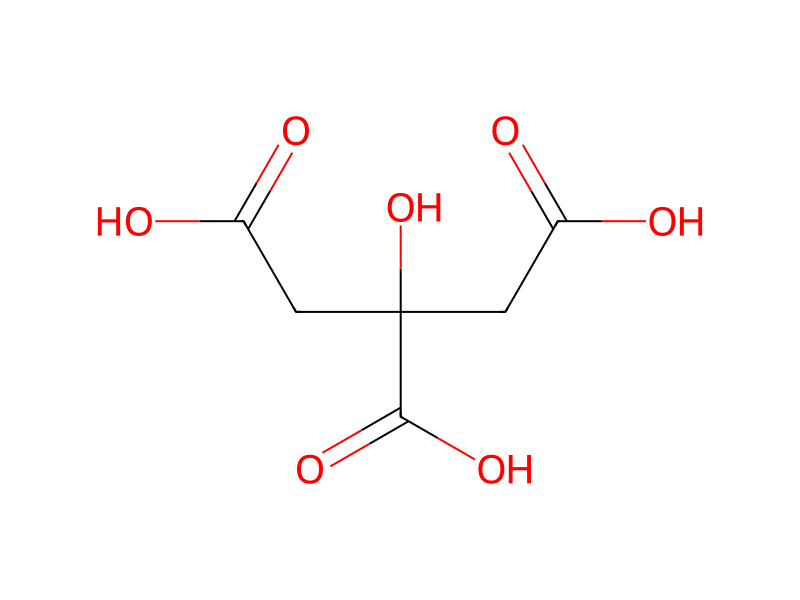
Citric Acid → 3-Amino-6-iodopyrazine-2-carboxylic acid
Reaction equation

C[O:2][C:3]([C:5]1[C:10]([NH2:11])=[N:9][CH:8]=[C:7]([I:12])[N:6]=1)=[O:4].[OH-].[Li+].C(O)(=O)CC(CC(O)=O)(C(O)=O)O>C1COCC1.O.ClCCl>[NH2:11][C:10]1[C:5]([C:3]([OH:4])=[O:2])=[N:6][C:7]([I:12])=[CH:8][N:9]=1Participants






Procedure
3-amino-6-iodo-pyrazine-2-carboxylic acid methyl ester (45 g, 161 mmol) was dissolved in 750 ml of THF. 90 ml of water and 40 ml of a 4 M solution of lithium hydroxide in water was added. The mixture was stirred at room temperature for 2 hours or until TLC analysis showed only baseline material. A solution of 10% citric acid in water was added to adjust the pH to about 3-4. The mixture was diluted with dichloromethane and the organic phase was separated. The aqueous layer was extracted three times with dichloromethane and the combined organic phases were dried over sodium sulfate and evaporated. The residue was dried in vacuo to afford 37.0 g (140 mmol; 87% yield) of 3-amino-6-iodo-pyrazine-2-carboxylic acid as a yellow powder. 1H-NMR (d6-DMSO) δ: 11.70 s, weak, 8.44 [1H] s, 7.50 [2H] s, br. MS: m/z 266 [MH+].
Workup
- customthe organic phase was separated
- extractionThe aqueous layer was extracted three times with dichloromethane
- dry with materialthe combined organic phases were dried over sodium sulfate
- customevaporated
- customThe residue was dried in vacuo
Sources & evidence
- ORD record
- ord-c394f2eeb88e4ed5a40c3b74c1b31452
- Source dataset
- uspto-grants-2010_11
- Patent number
- US07829558B2
Reaction notes
Loading…