Methanol → Quinoline
Reaction equation

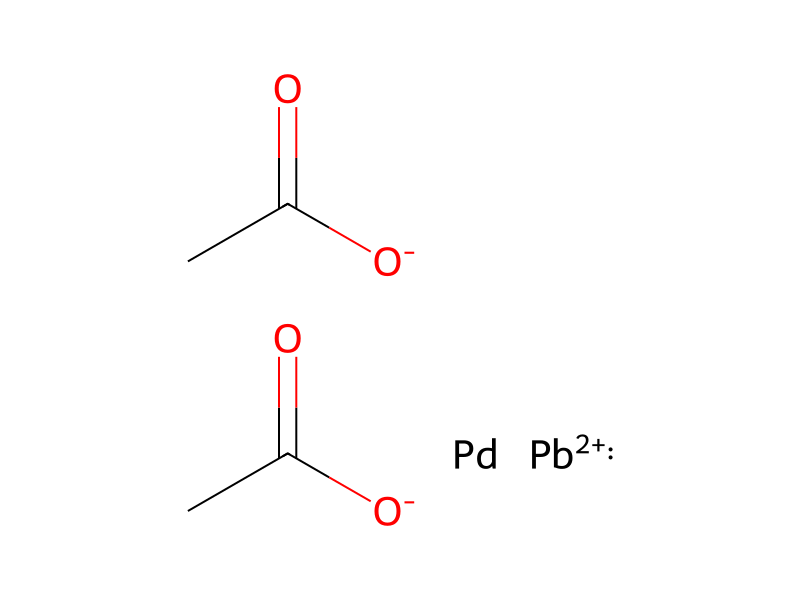
O1[CH2:5][CH2:4][CH2:3][CH2:2]1.[C:6](#[N:8])[CH3:7].[CH3:9]O.C(O[CH2:15][CH3:16])(=O)C>[Pd].CC([O-])=O.CC([O-])=O.[Pb+2].S([O-])([O-])(=O)=O.[Ba+2].[Pd+2].S([O-])([O-])(=O)=O.C(O)C>[N:8]1[C:6]2[C:5](=[CH:9][CH:15]=[CH:16][CH:7]=2)[CH:4]=[CH:3][CH:2]=1Participants







Procedure
This step is a step for obtaining compound (2-5) by reducing the triple bond of compound (2-4) to a double bond. Compound (2-5) can be obtained by using a catalyst such as Lindlar's catalyst, palladium-barium sulfate or the like in a solvent such as tetrahydrofuran, ethyl acetate, acetonitrile, methanol, ethanol or the like and under a hydrogen atmosphere. A preferable solvent is ethyl acetate. In order to obtain a favorable result, 0.1 to 1 equivalent of quinoline may be added with respect to compound (2-4). A catalytic amount to an excess of catalyst is used with respect to compound (2-4). The reaction temperature is room temperature, the reaction time is from 15 minutes to 24 hours, and the reaction pressure is from 1 to 4 atmospheres.
Sources & evidence
- ORD record
- ord-a33aed9739c049d1930d1a873d5f0bea
- Source dataset
- uspto-grants-2010_11
- Patent number
- US07829585B2
Reaction notes
Loading…