4-Methylmorpholine → methyl(2S)-3,3-dimethyl-2-{[(4-nitrophenoxy)carbonyl]amino}butanoate
Reaction equation

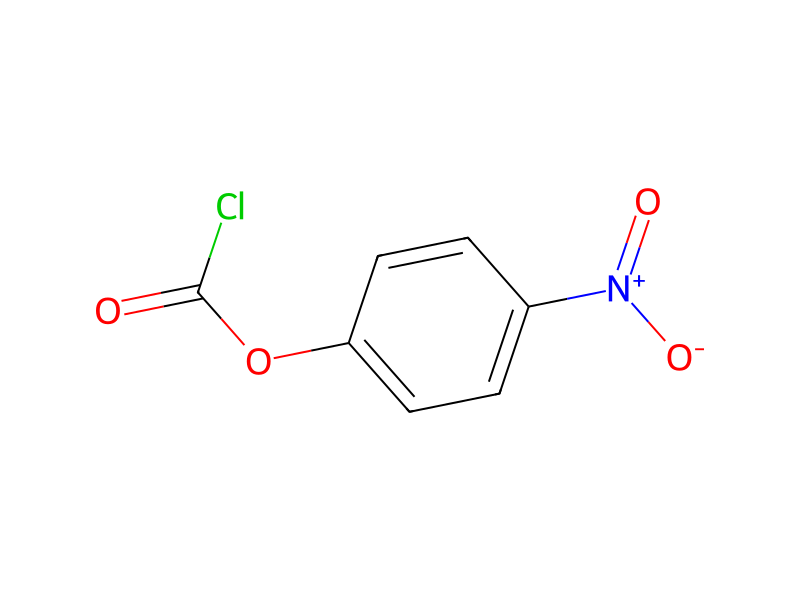
Cl.[CH3:2][O:3][C:4](=[O:11])[C@H:5]([C:7]([CH3:10])([CH3:9])[CH3:8])[NH2:6].Cl[C:13]([O:15][C:16]1[CH:21]=[CH:20][C:19]([N+:22]([O-:24])=[O:23])=[CH:18][CH:17]=1)=[O:14].CN1CCOCC1>ClCCl>[CH3:8][C:7]([CH3:10])([CH3:9])[C@H:5]([NH:6][C:13]([O:15][C:16]1[CH:17]=[CH:18][C:19]([N+:22]([O-:24])=[O:23])=[CH:20][CH:21]=1)=[O:14])[C:4]([O:3][CH3:2])=[O:11]Participants
5




Conditions
- Temperature
- 25 °C
Procedure
A solution of L-tert-leucine methyl ester hydrochloride (0.300 g, 1.65 mmol) in dichloromethane (4 mL) at 0° C. was treated with 4-nitrophenyl chloroformate (0.366, 1.82 mmol) and N-methyl morpholine (0.380 mL, 3.46 mmol), and the mixture was stirred at 25° C. for 64 hours. The reaction was partitioned between dichloromethane and saturated NaHCO3, and the organic phase was washed with brine and dried over MgSO4, filtered and concentrated to give the title compound (0.562 g, quantitative), which was used without further purification.
Workup
- customThe reaction was partitioned between dichloromethane and saturated NaHCO3
- washthe organic phase was washed with brine
- dry with materialdried over MgSO4
- filtrationfiltered
- concentrationconcentrated
Sources & evidence
- ORD record
- ord-bf9cab44943d42aa8a099db44a285d91
- Source dataset
- uspto-grants-2010_11
- Patent number
- US07834043B2
Reaction notes
Loading…