Methane → 4-Sulfobenzenediazonium hydroxide
Reaction equation

C.C1C(Br)=C(Br)[NH:4]C=1C(O)=[O:10].[S:12]([OH:22])(=[O:21])([C:14]1[CH:19]=[CH:18][C:17]([NH2:20])=[CH:16][CH:15]=1)=[O:13].[N+]([O-])(O)=O.N([O-])=O.[Na+]>O>[OH-:10].[S:12]([C:14]1[CH:15]=[CH:16][C:17]([N+:20]#[N:4])=[CH:18][CH:19]=1)([OH:22])(=[O:21])=[O:13]Participants
Reactant 5
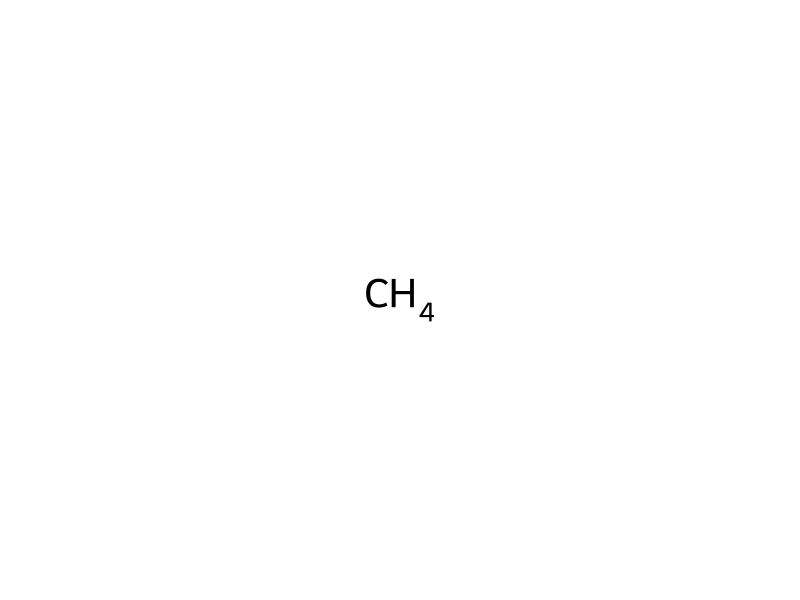

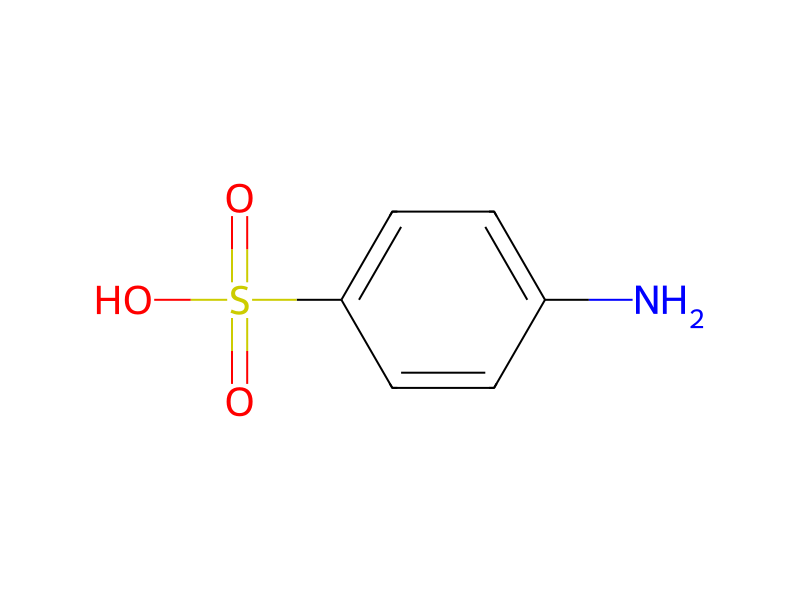


Product 1

Reagents, catalysts & solvents 1

Procedure
202 Grams of carbon black having a surface area of 230 m2/g and a DBPA of 70 ml/100 g were mixed in a solution of 43 g of sulfanilic acid dissolved in 2 liters of water at about 70° C. with stirring. The mixture was allowed to cool to room temperature with stirring, to which were then added 26.2 g of concentrated nitric acid and subsequently 20.5 g of aqueous solution containing 20.5 g of sodium nitrite to form 4-sulfobenzenediazonium hydroxide inner salt which reacted with the carbon black with stirring until bubble formation was ceased. The resultant slurry was diluted and the pH was adjusted to 8 to 9 with lithium hydroxide. This was centrifuged to remove large particles, followed by desalination and concentration with an ultrafiltration membrane. Thus, a carbon black dispersion liquid having a pigment concentration of 15% was obtained. This liquid was filtered through a 1 μm polypropylene filter to obtain Carbon Black Dispersion Liquid 4 whose surfaces contained phenylsulfonic acid groups. The total content of Fe, Ca and Si was 100 ppm or less according to ICP measurement. The concentration of nitric acid ions was 50 ppm or less. The average particle size was 95 nm.
Workup
- stirringwith stirring, to which
Sources & evidence
- ORD record
- ord-c84ad55e95f24e08b806f1aaad0a5138
- Source dataset
- uspto-grants-2007_10
- Patent number
- US07278726B2
Reaction notes
Loading…