Tetrahydrofuran → phenyl (3-cyclopropyl-1-methyl-1H-pyrazol-5-yl)carbamate
Reaction equation

[CH2:1]([C:3]1[CH:4]=[C:5]([NH2:9])[N:6]([CH3:8])[N:7]=1)[CH3:2].[C:10](=O)([O-])[O-].[K+].[K+].C1COCC1.[C:21]1([O:27][C:28](Cl)=[O:29])[CH:26]=[CH:25][CH:24]=[CH:23][CH:22]=1>>[C:21]1([O:27][C:28](=[O:29])[NH:9][C:5]2[N:6]([CH3:8])[N:7]=[C:3]([CH:1]3[CH2:10][CH2:2]3)[CH:4]=2)[CH:26]=[CH:25][CH:24]=[CH:23][CH:22]=1Participants
5


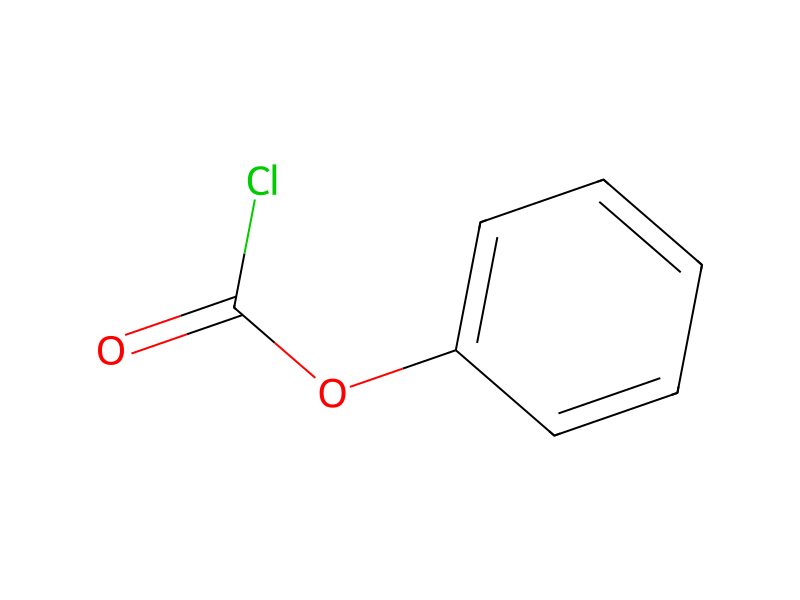


Conditions
- Temperature
- 0 °C
Procedure
A solution of 5-Ethyl-2-methyl-2H-pyrazol-3-ylamine (10 g, 79.8 mmol) (500 ml) and potassium carbonate in THF (12.14 g, 87.8 mmol) is cooled to 0° C. Phenylchloroformate (10.15 ml, 80.6 mmol) is added dropwise over 20 minutes. The reaction mixture is stirred for 40 minutes at 0° C. then allowed to warm to ambient temperature and stirred for a further 2.5 hours. The reaction mixture is partitioned between ethylacetate and water. The organic phase is washed with 5% aqueous citric acid solution and brine. The organic phase is treated with MgSO4 and charcoal then filtered and evaporated to afford (5-Cyclopropyl-2-methyl-2H-pyrazol-3-yl)-carbamic acid phenyl ester. [M+H] 246.21
Workup
- temperatureto warm to ambient temperature
- stirringstirred for a further 2.5 hours
- customThe reaction mixture is partitioned between ethylacetate and water
- washThe organic phase is washed with 5% aqueous citric acid solution and brine
- additionThe organic phase is treated with MgSO4 and charcoal
- filtrationthen filtered
- customevaporated
Sources & evidence
- ORD record
- ord-cd0b172a7553475d8ca81e0819bf3c34
- Source dataset
- uspto-grants-2007_10
- Patent number
- US07288537B2
Reaction notes
Loading…