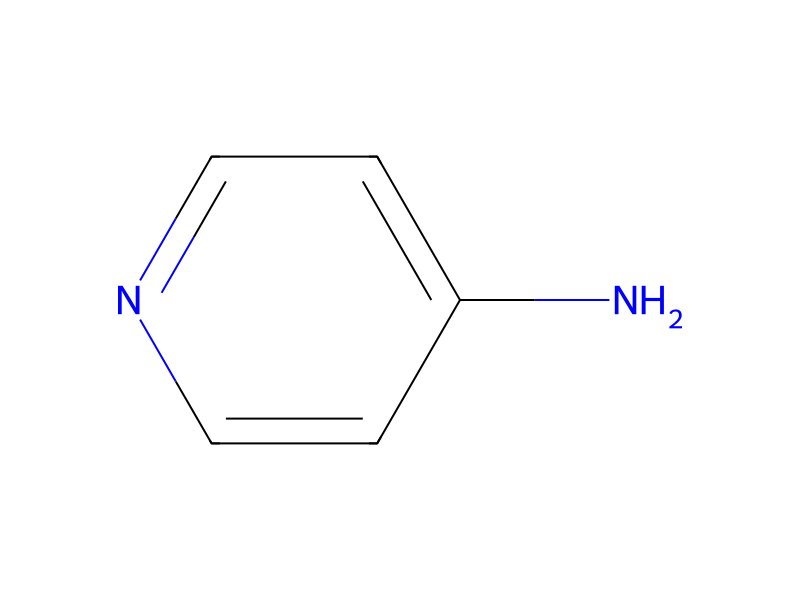
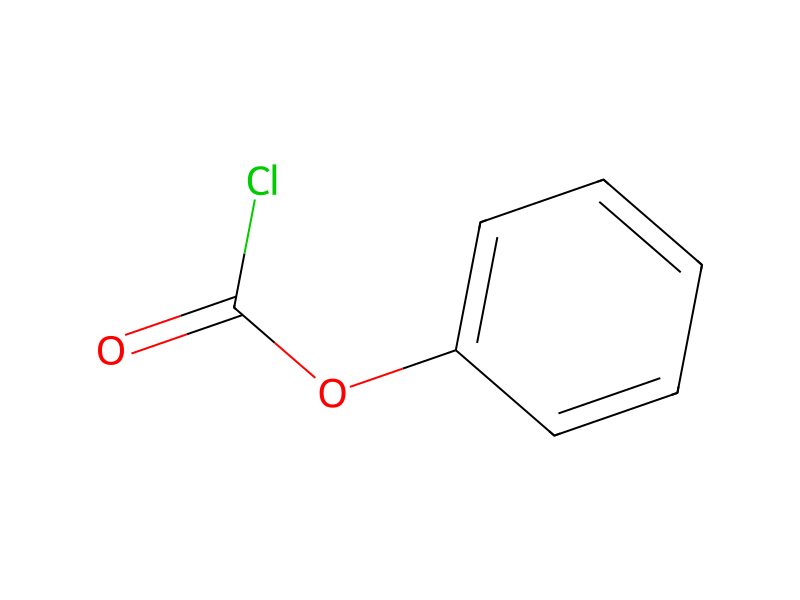
4-Aminopyridine → Carbamic acid, 4-pyridinyl-, phenyl ester
Reaction equation

[NH2:1][C:2]1[CH:7]=[CH:6][N:5]=[CH:4][CH:3]=1.C(N(CC)CC)C.[C:15]1([O:21][C:22](Cl)=[O:23])[CH:20]=[CH:19][CH:18]=[CH:17][CH:16]=1>ClCCl>[C:15]1([O:21][C:22](=[O:23])[NH:1][C:2]2[CH:7]=[CH:6][N:5]=[CH:4][CH:3]=2)[CH:20]=[CH:19][CH:18]=[CH:17][CH:16]=1Participants
5
Reactant 3

Product 1

Reagents, catalysts & solvents 1

Procedure
A solution of 4 aminopyridine (0.6 g, 6.37 mmol) in dichloromethane (15 ml) is treated with triethylamine (0.89 ml, 6.37 mmol) followed by phenylchloroformate (0.80 ml, 6.37 mmol) and then stirred at room temperature for 3 days. The reaction mixture is partitioned between dichloromethane and aqueous sodium bicarbonate. The organic phase is dried over magnesium sulphate and evaporated to afford pyridin-4-yl-carbamic acid phenyl ester.
Workup
- customThe reaction mixture is partitioned between dichloromethane and aqueous sodium bicarbonate
- dry with materialThe organic phase is dried over magnesium sulphate
- customevaporated
Sources & evidence
- ORD record
- ord-42e4d8d7229d4869922e449fd0836f9c
- Source dataset
- uspto-grants-2007_10
- Patent number
- US07288537B2
Reaction notes
Loading…