Diisopropylethylamine → HCID 68600587, compound
Reaction equation

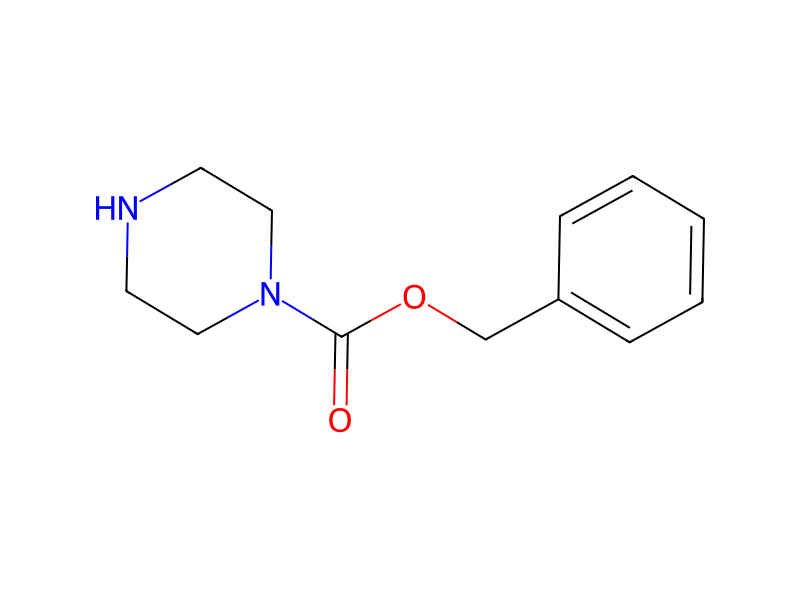
Cl[C:2](Cl)([O:4]C(=O)OC(Cl)(Cl)Cl)Cl.[F:13][C:14]([F:19])([F:18])[CH2:15][CH2:16][OH:17].CCN(C(C)C)C(C)C.[N:29]1([C:35]([O:37][CH2:38][C:39]2[CH:44]=[CH:43][CH:42]=[CH:41][CH:40]=2)=[O:36])[CH2:34][CH2:33][NH:32][CH2:31][CH2:30]1>ClCCl>[F:13][C:14]([F:19])([F:18])[CH2:15][CH2:16][O:17][C:2]([N:32]1[CH2:33][CH2:34][N:29]([C:35]([O:37][CH2:38][C:39]2[CH:44]=[CH:43][CH:42]=[CH:41][CH:40]=2)=[O:36])[CH2:30][CH2:31]1)=[O:4]Participants
6
Reactant 4



Product 1

Reagents, catalysts & solvents 1

Procedure
To a solution of 3.1 g triphosgene and 2.3 ml 3,3,3-trifluoropropan-1-ol in 70 ml dichloromethane were added 9.0 ml DIPEA dropwise at 0° C. After 30 minutes 5.1 ml benzyl 1-piperazinecarboxylate and 34.5 ml DIPEA were added at 0° C. The reaction mixture was allowed to warm to RT overnight. Excess triphosgene was destroyed by adding a solution of 2.5 g NaOH in 200 ml water and stirring for 2 h. The layers were separated, the organic layer dried over MgSO4 and concentrated. The crude product thus obtained was purified by chromatography on silica using heptane/ethyl acetate 4/1 to 2/1 as eluent. Yield: 3.2 g.
Workup
- customExcess triphosgene was destroyed
- additionby adding a solution of 2.5 g NaOH in 200 ml water
- customThe layers were separated
- dry with materialthe organic layer dried over MgSO4
- concentrationconcentrated
Sources & evidence
- ORD record
- ord-cd03afd3438a4c6084d9770fcfbaf9df
- Source dataset
- uspto-grants-2014_03
- Patent number
- US08669266B2
Reaction notes
Loading…