Piperidine → 2(1H)-Quinolinone, 3-nitro-
Reaction equation

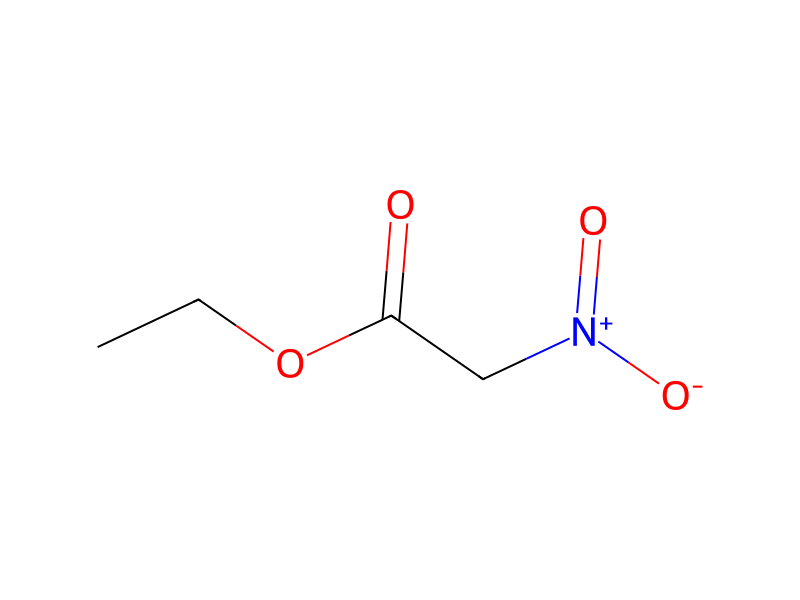
[NH2:1][C:2]1[CH:9]=[CH:8][CH:7]=[CH:6][C:3]=1[CH:4]=O.[N+:10]([CH2:13][C:14](OCC)=[O:15])([O-:12])=[O:11].N1CCCCC1>C1(C)C(C)=CC=CC=1>[N+:10]([C:13]1[C:14](=[O:15])[NH:1][C:2]2[C:3]([CH:4]=1)=[CH:6][CH:7]=[CH:8][CH:9]=2)([O-:12])=[O:11]Participants
5
Reactant 3


Product 1

Reagents, catalysts & solvents 1

Conditions
- Temperature
- 150 °C
Procedure
2-Aminobenzaldehyde (1.75 g, 14.5 mmol) was dissolved in xylene (87.5 mL). To this, ethyl 2-nitroacetate (6.43 mL, 58.0 mmol) and piperidine (1.58 mL, 16.0 mmol) were added and the mixture was stirred with heat at 150° C. for 1.5 hours and successively stirred with cooling in an ice bath for 0.5 hour. The precipitate was collected by filtration and dried under reduced pressure. Thus, 3-nitroquinolin-2(1H)-one (1.40 g, yield: 51%) was obtained.
Workup
- stirringsuccessively stirred
- temperaturewith cooling in an ice bath for 0.5 hour
- filtrationThe precipitate was collected by filtration
- customdried under reduced pressure
Sources & evidence
- ORD record
- ord-8ca3d927426e48d1abcf9e1245058ea7
- Source dataset
- uspto-grants-2014_03
- Patent number
- US08673908B2
Reaction notes
Loading…