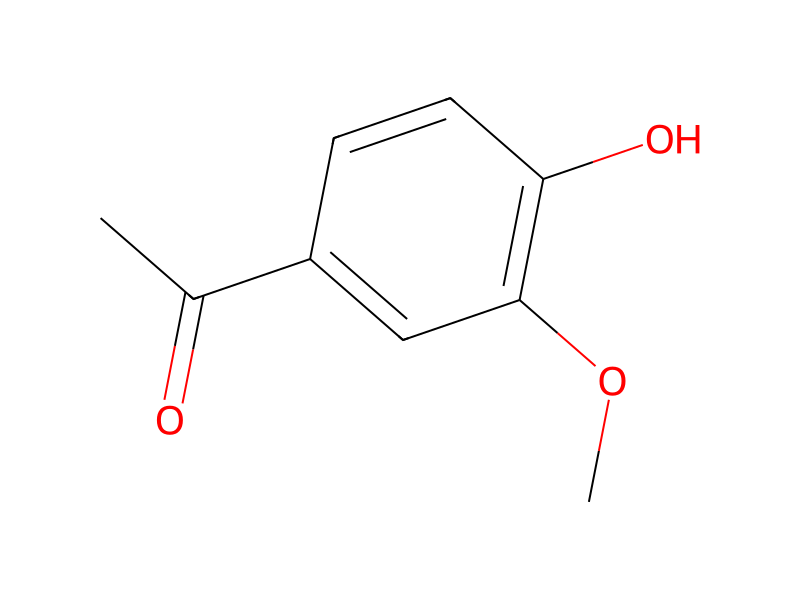
Acetovanillone → 1-[4-(4-Bromobutoxy)3-methoxyphenyl]ethanone
Reaction equation

[Na].[CH3:2][C:3]([C:5]1[CH:13]=[CH:12][C:10]([OH:11])=[C:7]([O:8][CH3:9])[CH:6]=1)=[O:4].[Br:14][CH2:15][CH2:16][CH2:17][CH2:18]Br>C(O)C>[Br:14][CH2:15][CH2:16][CH2:17][CH2:18][O:11][C:10]1[CH:12]=[CH:13][C:5]([C:3](=[O:4])[CH3:2])=[CH:6][C:7]=1[O:8][CH3:9]Participants
Reactant 3


Product 1

Reagents, catalysts & solvents 1

Procedure
To a warm solution of 12.7 g (0.55 mole) of sodium metal in 500 ml of absolute ethanol was added a slurry of 83.1 g (0.5 mole) of acetovanillone in 250 ml of absolute ethanol. All solids dissolved and then a solid precipitated. The mixture was stirred at ambient temperature for 1 hr and then added over a 3 hr period to a solution at reflux of 177 g (0.82 mole) of 1,4-dibromobutane in 500 ml of absolute ethanol. After addition was complete, the mixture was heated at reflux overnight. The mixture was concentrated under reduced pressure and the residue was partitioned between 1.5 liter of benzene and 1 liter of water. The mixture was filtered to remove undesirable insoluble material. The filtrate layers were separated and the organic layer was washed with four 300 ml portions of a 5% sodium hydroxide solution once with water and once with brine, dried over anhydrous sodium sulfate and concentrated under reduced pressure to give 138 g of gummy solid as residue. This solid was purified by column chromatography on 1 kg of silica gel, eluting with 2% ethyl acetate in benzene to yield 69.9 g (46%) of title compound as an off-white solid. The solid was recrystallized from isopropyl ether, m.p. 52°-54° C.
Workup
- dissolutionAll solids dissolved
- customa solid precipitated
- additionadded over a 3 hr period to a solution
- additionAfter addition
- temperaturethe mixture was heated
- temperatureat reflux overnight
- concentrationThe mixture was concentrated under reduced pressure
- customthe residue was partitioned between 1.5 liter of benzene and 1 liter of water
- filtrationThe mixture was filtered
- customto remove undesirable insoluble material
- customThe filtrate layers were separated
- washthe organic layer was washed with four 300 ml portions of a 5% sodium hydroxide solution once with water and once with brine
- dry with materialdried over anhydrous sodium sulfate
- concentrationconcentrated under reduced pressure
Sources & evidence
- ORD record
- ord-4f793acc3cc34c048799ed63c4614a44
- Source dataset
- uspto-grants-1989_03
- Patent number
- US04810713
Reaction notes
Loading…