P-Cresol → HCID 86742840, compound
Reaction equation

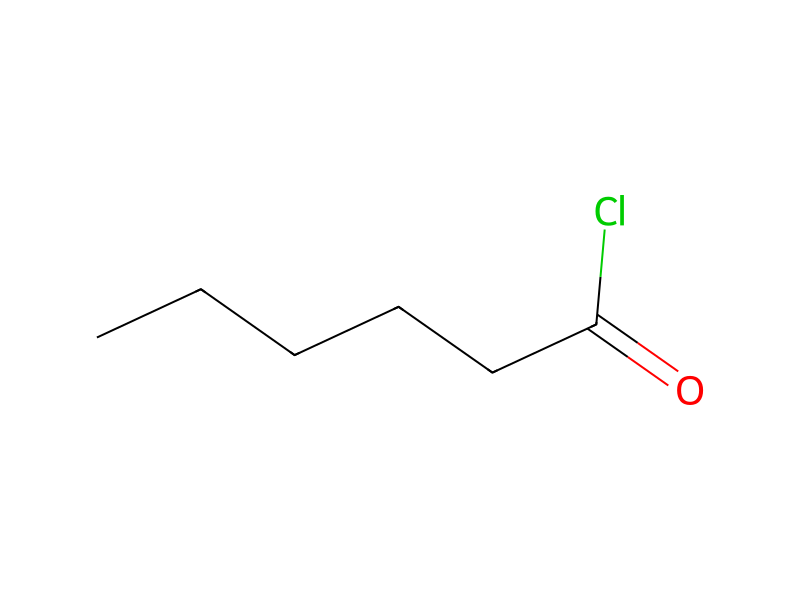
C1C(O)=CC=C(C)C=1.C(Cl)(=O)CCCCC.[CH3:17][CH:18]([CH3:31])[CH2:19][CH2:20][CH:21]([OH:30])[C:22]([C:24]1[CH:29]=[CH:28][CH:27]=[CH:26][CH:25]=1)=O.Cl.[NH2:33][OH:34].C([O-])(=O)C.[Na+]>C(O)C.O>[CH3:17][CH:18]([CH3:31])[CH2:19][CH2:20][CH:21]([OH:30])[C:22](=[N:33][OH:34])[C:24]1[CH:29]=[CH:28][CH:27]=[CH:26][CH:25]=1Participants
8





Procedure
p-cresol and caproylchloride are converted in a well-known mode to ester which, according to Fries, is rearranged to 5-methyl-2-hydroxy-caprophenone, 155° in b.p.65 (cf. P.P.T. Sah and H. H. Anderson, J. Am. Chem. Soc. 63, 3164 (1941). 20 g (0.1 Mol) of ketone are solved in 45 ml ethanol and heated 30 minutes to boiling level under reflux cooling together with a concentrated aqueous solution of 7.5 g of hydroxylamine hydrochloride and 15 g of crystalline sodium acetate. Water is then added to the mixture, and the separated oxime recrystallised from ethanol/water, the flash point being between 83° C. and 85° C.
Workup
- temperatureheated 30 minutes
- temperatureunder reflux
- customthe separated oxime recrystallised from ethanol/water
- custombeing between 83° C. and 85° C.
Sources & evidence
- ORD record
- ord-be990ec434304aaf96499279420b26d8
- Source dataset
- uspto-grants-1989_03
- Patent number
- US04816487
Reaction notes
Loading…