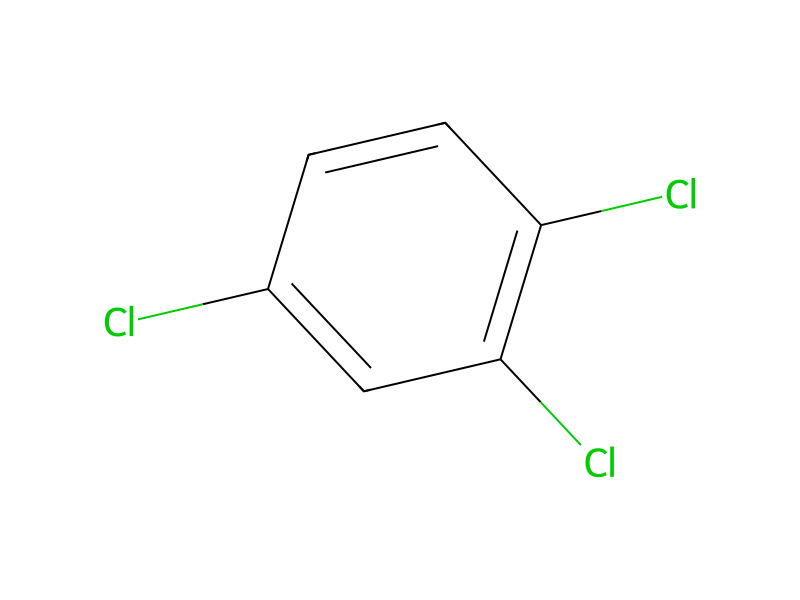
1,2,4-Trichlorobenzene → HCID 19756759, compound
Reaction equation

[C:1]1([C:7]2[CH:12]=[CH:11][CH:10]=[C:9]([C:13]3[CH:18]=[CH:17][CH:16]=[CH:15][CH:14]=3)[C:8]=2[OH:19])[CH:6]=[CH:5][CH:4]=[CH:3][CH:2]=1.Cl[C:21]1[CH:26]=[CH:25][C:24](Cl)=[CH:23][C:22]=1Cl.Cl[C:30]1[C:31](Cl)=[C:32](Cl)[CH:33]=[CH:34][CH:35]=1.[C:38]1(O)C=CC=CC=1>CS(O)(=O)=O>[C:13]1([C:9]2[CH:10]=[C:11]([CH:38]3[C:30]4[CH:31]=[CH:32][CH:33]=[CH:34][C:35]=4[C:22]4[C:21]3=[CH:26][CH:25]=[CH:24][CH:23]=4)[CH:12]=[C:7]([C:1]3[CH:6]=[CH:5][CH:4]=[CH:3][CH:2]=3)[C:8]=2[OH:19])[CH:14]=[CH:15][CH:16]=[CH:17][CH:18]=1Participants
Reactant 4


Product 1

Reagents, catalysts & solvents 1
Procedure
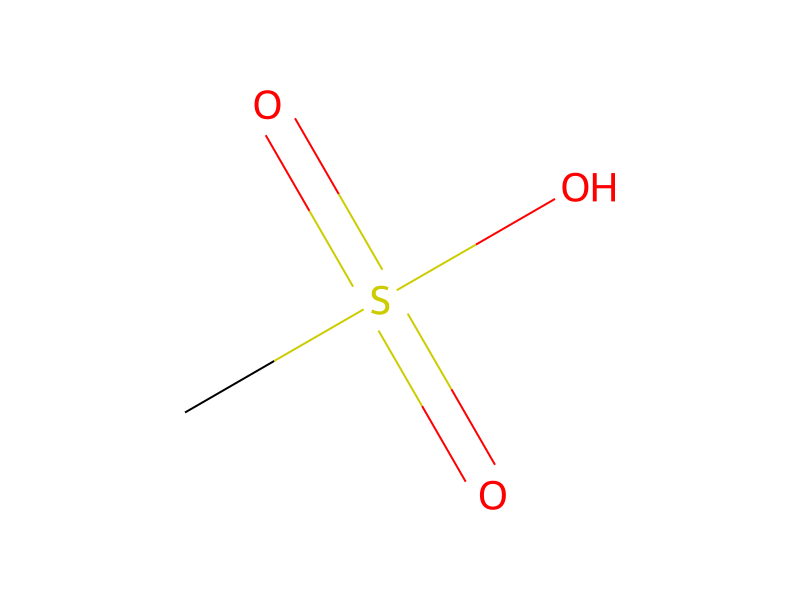
In a 2 L, 3-necked round-bottomed flask equipped with a Vigreux column and a vacuum distillation setup was charged 9,9-DPHPF (75.0 g, 0.20 mol), 2,6-diphenylphenol (DPP; 295 g, 1.20 mol) and 1,2,4-trichlorobenzene (1 L). Methanesulfonic acid (250 mL) was then added and the resulting red suspension was stirred at room temperature. A vacuum was applied and the mixture was slowly heated up to 80° C. At this stage the trichlorobenzene started to reflux and phenol began to distill off. The vacuum distillation was continued for 48 hours and TLC then indicated that the reaction had reached equilibrium. The reaction mixture was cooled to room temperature and it separated into two phases. The top layer was diluted with chloroform (200 mL), neutralized with concentrated sodium carbonate solution and poured slowly into 6 L of petroleum ether. The resulting solids were collected on a filter funnel and the solids were then stirred with cyclohexane (500 mL) in a beaker for 30 min. After filtration, the washed solids weighted 125 g (95%) and contained the desired bisphenol in about 90% yield by HPLC. The remainder was mainly the monotransalkylated phenol 9-(hydroxyphenyl), 9-(3,5diphenyl-4-hydroxyphenyl)fluorene which was isolated in purified form in small quantities by flash chromatography (20% ethyl acetate in hexanes) as white crystals; mp 144°-145° C.; 1H NMR 4.79 (br s, 1 H, OH), 5.34 (s, 1 H, OH), 6.70 (d, 2 H, C2,6 -H on phenol), 7.13 (s, 2 H, C3,5 -H on DPP), 7.15 (d, 2 H, C3,5 -H), 7.25-7.50 (m, 16 H, Ar-H), 7.75 (d, 2 H, C4,5 -H on fluorene); MS (m/e, relative intensity %) 502 (M+., 10).
Workup
- customIn a 2 L, 3-necked round-bottomed flask equipped with a Vigreux column
- distillationa vacuum distillation setup
- temperaturethe mixture was slowly heated up to 80° C
- temperatureto reflux
- distillationto distill off
- distillationThe vacuum distillation
- temperatureThe reaction mixture was cooled to room temperature
- customit separated into two phases
- additionThe top layer was diluted with chloroform (200 mL)
- additionpoured slowly into 6 L of petroleum ether
- customThe resulting solids were collected on a filter funnel
- stirringthe solids were then stirred with cyclohexane (500 mL) in a beaker for 30 min
- filtrationAfter filtration
Sources & evidence
- ORD record
- ord-fbccac7c18ef47918e295669ee7e4053
- Source dataset
- uspto-grants-1992_05
- Patent number
- US05110993
Reaction notes
Loading…