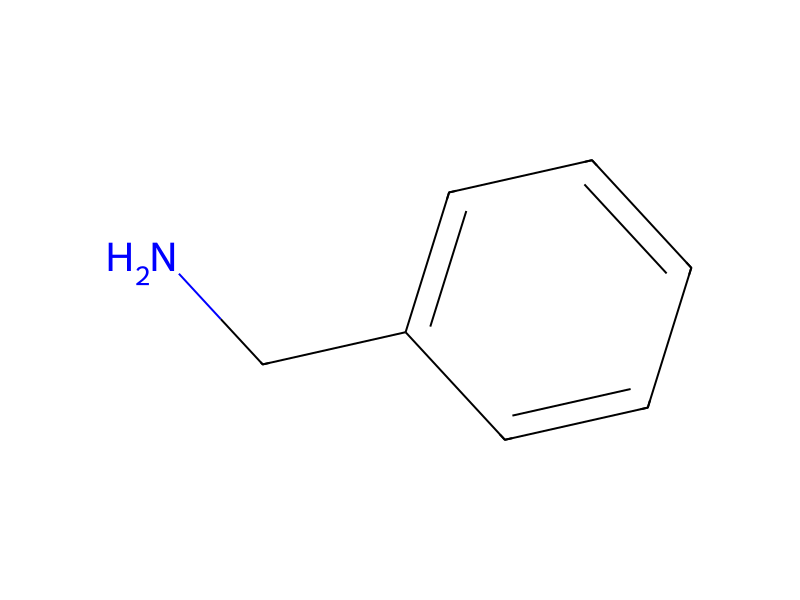
Benzylamine → N-Benzyl-3,4-diacetoxy-5-nitrobenzamide
Reaction equation

[C:1]([O:4][C:5]1[CH:6]=[C:7]([CH:11]=[C:12]([N+:18]([O-:20])=[O:19])[C:13]=1[O:14][C:15](=[O:17])[CH3:16])[C:8]([OH:10])=O)(=[O:3])[CH3:2].[CH2:21]([NH2:28])[C:22]1[CH:27]=[CH:26][CH:25]=[CH:24][CH:23]=1.N1C(C)=CC=CC=1C>ClCCl>[CH2:21]([NH:28][C:8](=[O:10])[C:7]1[CH:11]=[C:12]([N+:18]([O-:20])=[O:19])[C:13]([O:14][C:15](=[O:17])[CH3:16])=[C:5]([O:4][C:1](=[O:3])[CH3:2])[CH:6]=1)[C:22]1[CH:27]=[CH:26][CH:25]=[CH:24][CH:23]=1Participants
5
Reactant 3


Product 1

Reagents, catalysts & solvents 1

Procedure
0.75 g of 3,4-diacetoxy-5-nitrobenzoic acid was converted to the corresponding acid chloride as described in Example 43. It was dissolved in 5 ml of dichloromethane and added to a solution containing 0.27 ml of benzylamine and 0.5 ml of 2,6-lutidine in 7 ml of dichloromethane. Yield 0.95 g (96%), a viscous oil.
Workup
- additionadded to a solution
Sources & evidence
- ORD record
- ord-16eb610541ab4098a555406227938881
- Source dataset
- uspto-grants-1992_05
- Patent number
- US05112861
Reaction notes
Loading…