Triethylamine → HCID 15114295, compound
Reaction equation

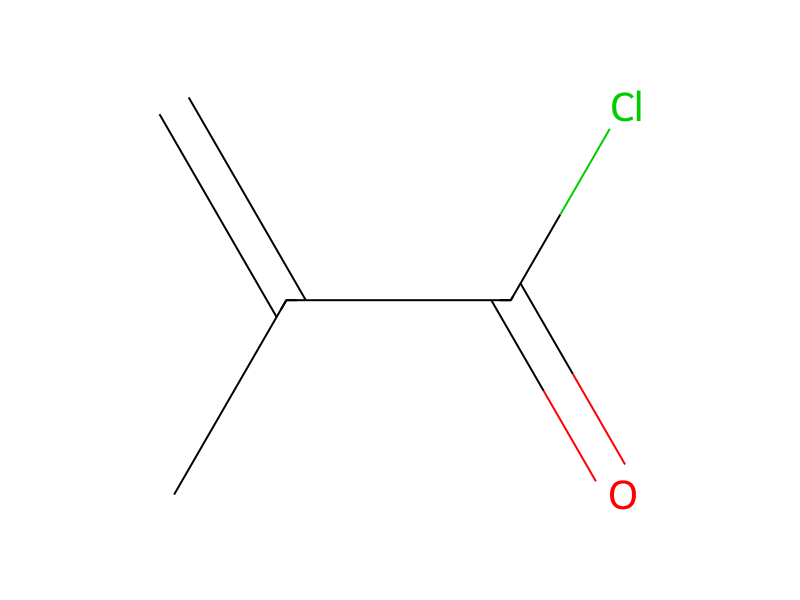
[C:1](Cl)(=[O:5])[C:2]([CH3:4])=[CH2:3].[OH:7][CH2:8][CH2:9][CH2:10][CH2:11][CH2:12][CH2:13][N:14]1[C:26]2[CH:25]=[CH:24][CH:23]=[CH:22][C:21]=2[C:20]2[C:15]1=[CH:16][CH:17]=[CH:18][CH:19]=2.C(N(CC)CC)C>ClCCl>[C:1]([O:7][CH2:8][CH2:9][CH2:10][CH2:11][CH2:12][CH2:13][N:14]1[C:15]2[CH:16]=[CH:17][CH:18]=[CH:19][C:20]=2[C:21]2[C:26]1=[CH:25][CH:24]=[CH:23][CH:22]=2)(=[O:5])[C:2]([CH3:4])=[CH2:3]Participants
5
Reactant 3


Product 1

Reagents, catalysts & solvents 1

Procedure
A solution of 30 mmol of methacryloyl chloride in 10 ml of dichloromethane was added dropwise to a solution of 25 mmol of N-(6-hydroxyhexyl)-carbazole and 30 mmol of triethylamine in 100 ml of dry dichloromethane. Thereafter, the reaction mixture was stirred for 3 hours at room temperature and then worked up by washing it with 2 N sodium hydroxide solution and water. After the reaction mixture had been evaporated down, the 6-(N-carbazolyl)-hexyl methacrylate formed was isolated by column chromatography over silica gel (eluent: dichloromethane). The 6-(N-carbazolyl)-hexyl methacrylate thus obtained in 70% yield was in the form of a colorless oil and had the following characteristic data:
Workup
- washby washing it with 2 N sodium hydroxide solution and water
- customAfter the reaction mixture had been evaporated down
Sources & evidence
- ORD record
- ord-6b4ed75c26d0473c88c8f0de9452b19a
- Source dataset
- uspto-grants-1992_05
- Patent number
- US05116911
Reaction notes
Loading…