Hydrochloric Acid → HCID 13961192, compound
Reaction equation

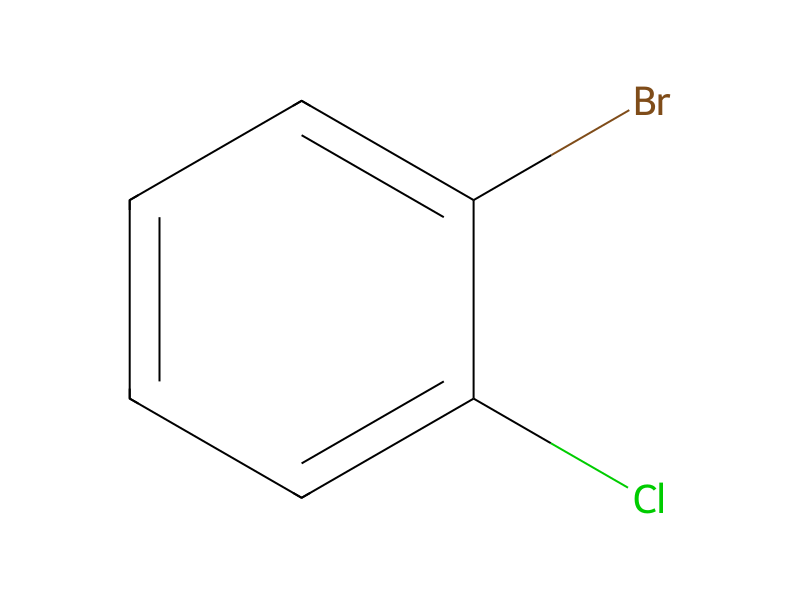
Br[C:2]1[CH:7]=[CH:6][CH:5]=[CH:4][C:3]=1[Cl:8].[Mg].[CH3:10][C:11]1[O:16][C:15](=[O:17])[C:14]2[CH:18]=[C:19]([CH3:22])[CH:20]=[CH:21][C:13]=2[N:12]=1.Cl>CCOCC>[C:11]([NH:12][C:13]1[CH:21]=[CH:20][C:19]([CH3:22])=[CH:18][C:14]=1[C:15]([C:2]1[CH:7]=[CH:6][CH:5]=[CH:4][C:3]=1[Cl:8])=[O:17])(=[O:16])[CH3:10]Participants
6
Reactant 4



Product 1

Reagents, catalysts & solvents 1

Procedure
The Grignard reagent prepared from 312.5 g (1.63 mol) of 2-bromochlorobenzene and 39.6 g (1.63 mol) of magnesium in 1.2 liters of anhydrous ether is added dropwise, in 2.5 hours, to a stirred solution of 270 g (1.54 mol) of 2,6-dimethyl-4H-3,1-benzoxazin-4-one in 4 liters of absolute ether at room temperature. The mixture is then allowed to react for a further 2 hours at the same temperature. While cooling in ice, the mixture is cautiously hydrolysed with 2N hydrochloric acid and then the aqueous phase is separated off. The organic phase is washed first with dilute sodium hydroxide solution and then with water. The organic phase is dried and concentrated. The resulting residue is induced to crystallise with isopropyl ether.
Workup
- customto react for a further 2 hours at the same temperature
- temperatureWhile cooling in ice
- customthe aqueous phase is separated off
- washThe organic phase is washed first with dilute sodium hydroxide solution
- customThe organic phase is dried
- concentrationconcentrated
- customto crystallise with isopropyl ether
Sources & evidence
- ORD record
- ord-6121a034348343e7a6c3f8091d41769d
- Source dataset
- uspto-grants-1992_05
- Patent number
- US05116971
Reaction notes
Loading…