Hydrochloric Acid → 2,2-Bis(4-morpholinophenyl)propionic acid
Reaction equation

Cl.[C:2]1([N:8]2[CH2:13][CH2:12][O:11][CH2:10][CH2:9]2)[CH:7]=[CH:6][CH:5]=[CH:4][CH:3]=1.[C:14]([OH:19])(=[O:18])[C:15]([CH3:17])=O.[OH-:20].[Na+]>O>[O:11]1[CH2:12][CH2:13][N:8]([C:2]2[CH:7]=[CH:6][C:5]([C:15]([C:5]3[CH:6]=[CH:7][C:2]([N:8]4[CH2:13][CH2:12][O:20][CH2:10][CH2:9]4)=[CH:3][CH:4]=3)([CH3:17])[C:14]([OH:19])=[O:18])=[CH:4][CH:3]=2)[CH2:9][CH2:10]1Participants
6
Reactant 4

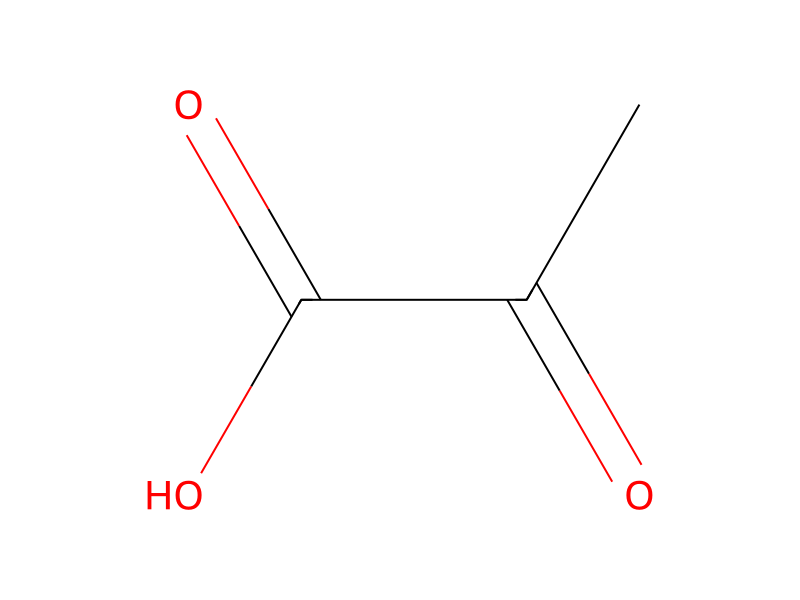


Product 1

Reagents, catalysts & solvents 1

Procedure
Into 12 ml of 6N--HCl solution was dissolved 4.65 g of N-phenylmorpholine. To the solution was added 1.5 g of pyruvic acid and the mixture was heated with reflux for 20 hours. The reaction mixture was, after cooled, diluted with 100 ml of water and adjusted to pH 6 with addition of 20% aqueous solution of sodium hydroxide. The precipitated crystal was collected by filtration which was 3.75 g (yield 66%) of 2,2-bis(4-morpholinophenyl)propionic acid, having a melting point of 217°~223° C.
Workup
- temperaturethe mixture was heated
- temperaturewith reflux for 20 hours
- temperatureafter cooled
- filtrationThe precipitated crystal was collected by filtration which
Sources & evidence
- ORD record
- ord-3cd94a8e67954759811c9b6c4cef8784
- Source dataset
- uspto-grants-1990_02
- Patent number
- US04898941
Reaction notes
Loading…