Hydrochloric Acid → HCID 21922766, compound
Reaction equation

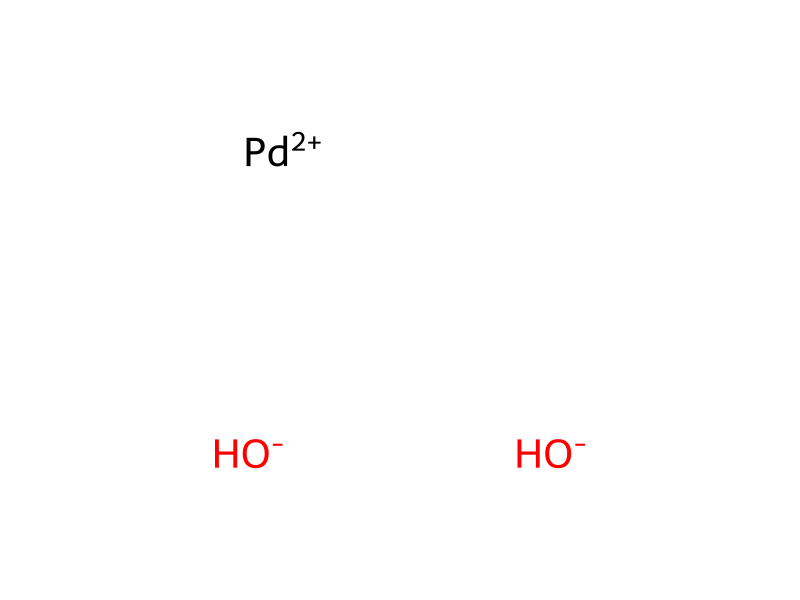
[ClH:1].C1(C(C2C=CC=CC=2)[N:9]2[CH2:12][CH:11]([N:13]3[CH:17]=[CH:16][C:15]([C:18]4[CH:23]=[CH:22][C:21]([F:24])=[CH:20][CH:19]=4)=[C:14]3[C:25]3[CH:30]=[CH:29][N:28]=[CH:27][CH:26]=3)[CH2:10]2)C=CC=CC=1>C(O)C.[OH-].[OH-].[Pd+2]>[ClH:1].[ClH:1].[NH:9]1[CH2:10][CH:11]([N:13]2[CH:17]=[CH:16][C:15]([C:18]3[CH:19]=[CH:20][C:21]([F:24])=[CH:22][CH:23]=3)=[C:14]2[C:25]2[CH:30]=[CH:29][N:28]=[CH:27][CH:26]=2)[CH2:12]1Participants
5
Reactant 2


Product 1

Reagents, catalysts & solvents 2

Conditions
- Temperature
- 50 °C
Procedure
0.45 ml of concentrated hydrochloric acid and 0.12 g of 20% palladium hydroxide on carbon were added to a solution of 1.20 g (2.61 mmol) of 1-(1-diphenylmethylazetidin-3-yl)-3-(4-fluorophenyl)-2-(pyridin-4-yl)-1H-pyrrole [prepared as described in step 21(i) above] in 12 ml of ethanol. The resulting mixture was stirred under a hydrogen atomosphere at 50° C. for 20 hours. After cooling to room temperature, the reaction mixture was then filtered and the filtrate was concentrated by evaporaration under reduced pressure. The residual solid was washed with diethylether to give 0.91 g (yield 95%) of the title compound as a pale yellow amorphous solid.
Workup
- temperatureAfter cooling to room temperature
- filtrationthe reaction mixture was then filtered
- concentrationthe filtrate was concentrated by evaporaration under reduced pressure
- washThe residual solid was washed with diethylether
Sources & evidence
- ORD record
- ord-37b09d761c3b475587cfe8ba7029394b
- Source dataset
- uspto-grants-2006_10
- Patent number
- US07122666B2
Reaction notes
Loading…