Benzyl chloroformate → Benzyl 3-(hydroxymethyl)azepane-1-carboxylate
Reaction equation

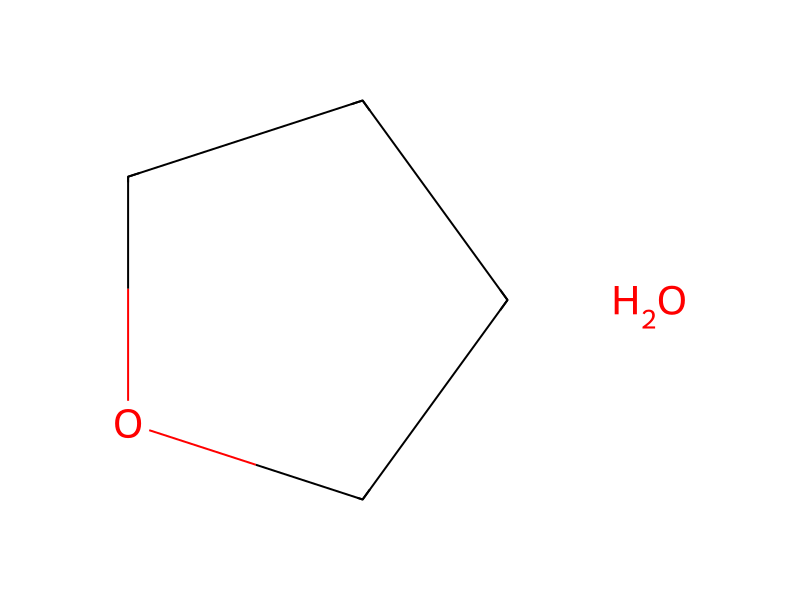
C(=O)([O-])[O-].[K+].[K+].[NH:7]1[CH2:13][CH2:12][CH2:11][CH2:10][CH:9]([CH2:14][OH:15])[CH2:8]1.[CH2:16]([O:23][C:24](Cl)=[O:25])[C:17]1[CH:22]=[CH:21][CH:20]=[CH:19][CH:18]=1>C1COCC1.O>[CH2:16]([O:23][C:24]([N:7]1[CH2:13][CH2:12][CH2:11][CH2:10][CH:9]([CH2:14][OH:15])[CH2:8]1)=[O:25])[C:17]1[CH:22]=[CH:21][CH:20]=[CH:19][CH:18]=1Participants
5
Reactant 3



Product 1

Reagents, catalysts & solvents 1
Conditions
- Temperature
- 0 °C
Procedure
Potassium carbonate was added to a mixture of azepan-3-yl-methanol (145) (0.032 g, 0.2485 mmol) in THF/H2O (2:1, 0.31 mL). The suspension was cooled to 0° C., and (benzyloxy)carbonyl chloride (0.071 mL, 0.497 mmol) was added dropwise. The reaction was allowed to warm to room temperature overnight, and was then concentrated in vacuo. CH2Cl2 and H2O were added. The organics were extracted, washed with brine, dried over sodium sulfate, filtered and concentrated in vacuo. The crude material was purified by automated silica gel chromatography with 75:25 Hexanes:EtOAc to obtain 3-Hydroxymethyl-azepan-1-carboxylic acid benzyl ester (146) in approximately 94% yield.
Workup
- temperatureto warm to room temperature overnight
- concentrationwas then concentrated in vacuo
- additionCH2Cl2 and H2O were added
- extractionThe organics were extracted
- washwashed with brine
- dry with materialdried over sodium sulfate
- filtrationfiltered
- concentrationconcentrated in vacuo
- customThe crude material was purified by automated silica gel chromatography with 75:25 Hexanes
Sources & evidence
- ORD record
- ord-71500117350e40bf885c8952e0a52074
- Source dataset
- uspto-grants-2006_10
- Patent number
- US07129228B2
Reaction notes
Loading…