Hydrogen Sulfide → HCID 178523373, compound
Reaction equation

C(N(CC)CC)C.ClC(OCC(C)C)=O.[N+:16]([C:19]1[CH:34]=[CH:33][C:22]([CH2:23][O:24][C:25]([NH:27][CH2:28][CH2:29][C:30](O)=[O:31])=[O:26])=[CH:21][CH:20]=1)([O-:18])=[O:17].S.[S:36](=O)(=O)(O)O>C(Cl)Cl>[N+:16]([C:19]1[CH:34]=[CH:33][C:22]([CH2:23][O:24][C:25]([NH:27][CH2:28][CH2:29][C:30]([OH:31])=[S:36])=[O:26])=[CH:21][CH:20]=1)([O-:18])=[O:17]Participants
7
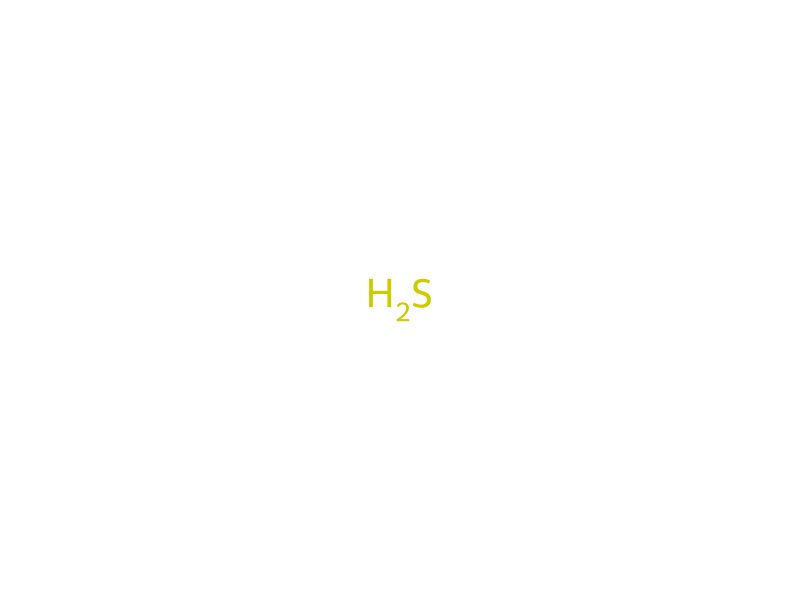





Procedure
4.4 g (40 mmol) of triethylamine and a solution of 2.8 ml (2 mmol) of isobutyl chloroformate in 20 ml of dry methylene chloride are added dropwise, in succession, to a solution, cooled to -10°, of 5.36 g (20 mmol) of 3-p-nitrobenzyloxycarbonylaminopropionic acid in 100 ml of dry methylene chloride. The reaction mixture is stirred for one hour at -18°, then for 11/2 hours a strong current of hydrogen sulphide is passed through and the mixture allowed to heat up to room temperature. After acidifying with 2N sulphuric acid, again in the cold, the organic phase is separated, dried and concentrated in vacuo. The 3-p-nitrobenzyloxycarbonylaminothiopropionic acid obtained can be used without further purification.
Workup
- custom2 hours
- customagain in the cold, the organic phase is separated
- customdried
- concentrationconcentrated in vacuo
Sources & evidence
- ORD record
- ord-79c5d8602b5347e481982ddda6438684
- Source dataset
- uspto-grants-1985_06
- Patent number
- US04524028
Reaction notes
Loading…