Carbon Disulfide → HCID 13561994, compound
Reaction equation

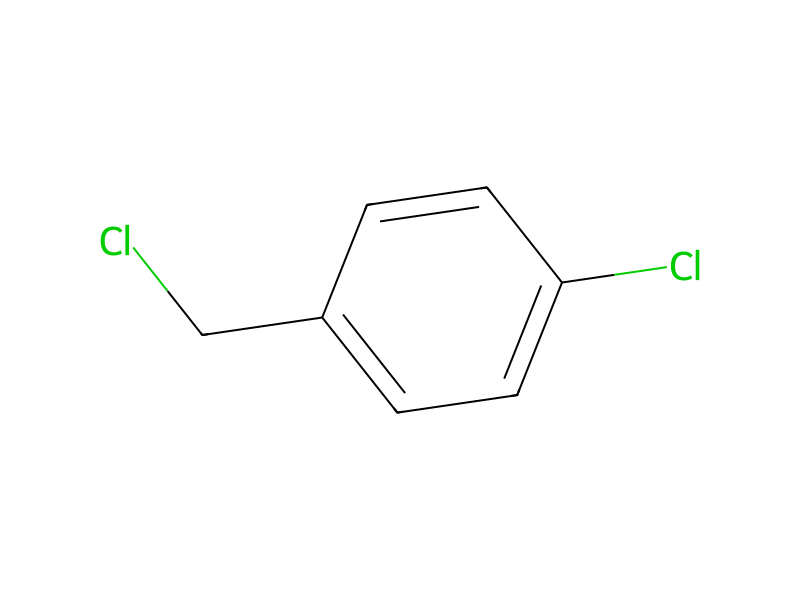
[CH2:1]1[C:13]2[NH:12][C:11]3[C:6](=[CH:7][CH:8]=[CH:9][CH:10]=3)[C:5]=2[CH2:4][C@@H:3]([C:14]([NH2:16])=[O:15])[NH:2]1.C(N(CC)CC)C.[C:24](=[S:26])=[S:25].[Cl:27][C:28]1[CH:35]=[CH:34][C:31]([CH2:32]Cl)=[CH:30][CH:29]=1>C(O)C>[Cl:27][C:28]1[CH:35]=[CH:34][C:31]([CH2:32][S:25][C:24]([N:2]2[C@H:3]([C:14]([NH2:16])=[O:15])[CH2:4][C:5]3[C:6]4[C:11](=[CH:10][CH:9]=[CH:8][CH:7]=4)[NH:12][C:13]=3[CH2:1]2)=[S:26])=[CH:30][CH:29]=1Participants
6
Reactant 4



Product 1

Reagents, catalysts & solvents 1

Procedure
In the same manner as described in Example 53, (3S)-1,2,3,4-tetrahydro-β-carboline-3-carboxamide (0.71 g), triethylamine (0.46 ml), carbon disulfide (0.22 ml), 70% ethanol (20 ml) and 4-chlorobenzyl chloride (0.53 g) are reacted and treated to give the title compound (0.97 g, 71%) as white powder.
Workup
- customare reacted
- additiontreated
Sources & evidence
- ORD record
- ord-d53b5744ee0e41ae9bda72a2bee2da35
- Source dataset
- uspto-grants-1986_12
- Patent number
- US04628057
Reaction notes
Loading…