Hydrochloric Acid → Zirconium phosphate
Reaction equation

[OH2:1].C(N)CC.C(N)CC.C(C[P:14]([O-:17])(=[O:16])[O-:15])(O)=[O:11].[Zr+4:18].C(C[P:23]([O-:26])(=[O:25])[O-:24])(O)=[O:20].Cl.[H][H]>O>[P:14]([O-:17])([O-:20])([O-:15])=[O:16].[Zr+4:18].[P:23]([O-:26])([O-:11])([O-:24])=[O:25].[P:14]([O-:17])([O-:16])([O-:15])=[O:1].[P:14]([O-:17])([O-:20])([O-:15])=[O:16].[Zr+4:18].[Zr+4:18]Participants

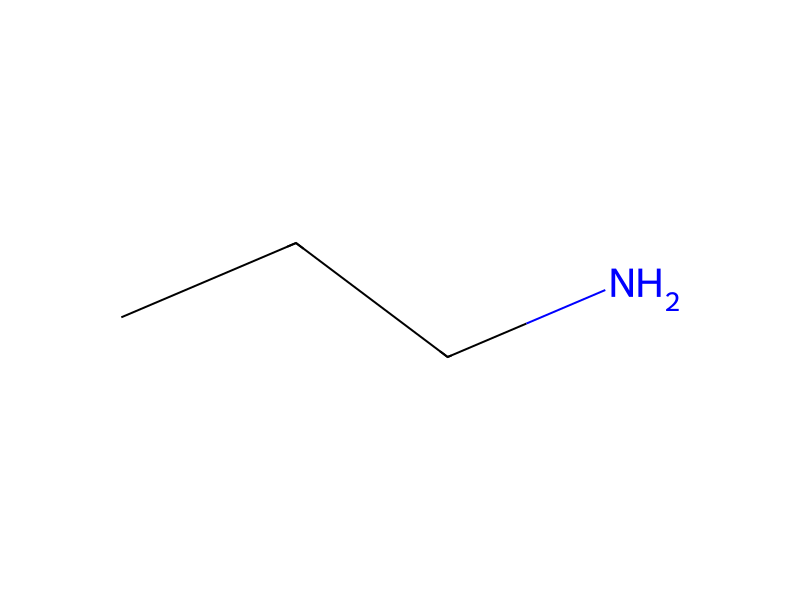





Procedure
13.6 ml of a 0.20M propylamine water solution was slowly added with stirring to 1 g of type V α-Zr(HOOCCH2PO3)2 microcrystals dispersed in 100 ml of water. Amine becomes intercalated, so that an intercalation compound is obtained containing 1 mole of propylamine per mole of zirconium carboxymethanphosphonate. In this case also microcrystals swell and exfoliate, so that a gelatinous suspension is obtained. 40 ml of 0.10M HCl is then slowly added to the suspension, so that the hydrogen form is obtained again of the compound. Microcrystals keep suspended, and they are filtered through a porous plastic filter so that they deposit in the form of layers which make up a nacreous, compact film which is less flexible than films obtained with type II and type III zirconium phosphate.
Workup
- customis obtained
- customIn this case also microcrystals swell and exfoliate, so that a gelatinous suspension is obtained
- customis obtained again of the compound
- filtrationthey are filtered through a porous plastic
- filtrationfilter so that they
Sources & evidence
- ORD record
- ord-b5dce0fb270341ba83fae0d65e97644f
- Source dataset
- uspto-grants-1986_12
- Patent number
- US04629656
Reaction notes
Loading…