Hydrochloric Acid → HCID 20225046, compound
Reaction equation

[CH:1](=O)[C:2]1[CH:7]=[CH:6][C:5]([O:8][CH3:9])=[CH:4][CH:3]=1.Cl.C([NH:19][CH:20]([C:22]1([C:26]2[CH:31]=[CH:30][C:29]([Cl:32])=[C:28]([Cl:33])[CH:27]=2)[CH2:25][CH2:24][CH2:23]1)[CH3:21])C1C=CC=CC=1.[BH4-].[Na+].Cl>C(O)C.O>[ClH:32].[CH3:9][O:8][C:5]1[CH:6]=[CH:7][C:2]([CH2:1][NH:19][CH:20]([C:22]2([C:26]3[CH:31]=[CH:30][C:29]([Cl:32])=[C:28]([Cl:33])[CH:27]=3)[CH2:23][CH2:24][CH2:25]2)[CH3:21])=[CH:3][CH:4]=1Participants
Reactant 4

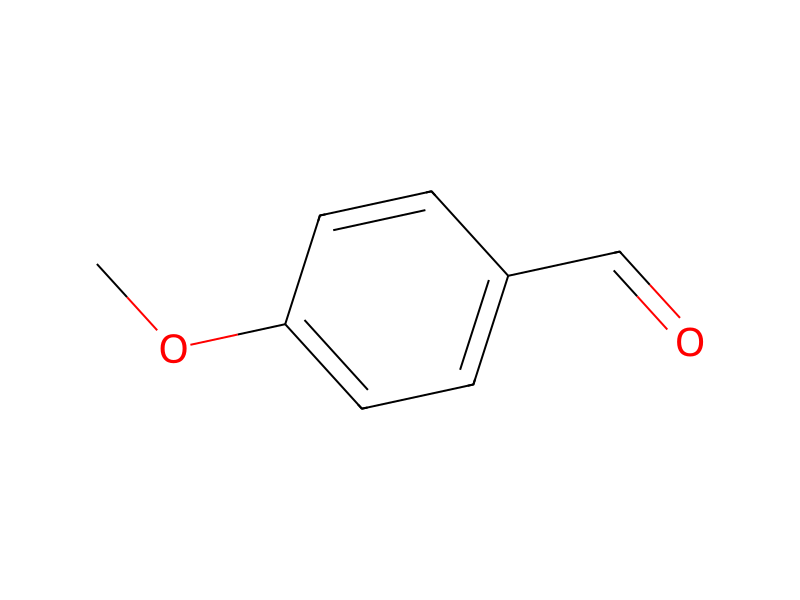


Product 1

Reagents, catalysts & solvents 2


Procedure
A stirred mixture of p-anisaldehyde (0.62 ml) and 1-[1-(3,4-dichlorophenyl)cyclobutyl]ethylamine (see Example 1 of published British Patent Specification No. 2098602) in the form of its free base (1.22 g) was heated to 130°-135° for 30 minutes. After cooling the residue was dissolved in ethanol (10 ml) and the solution added to a solution of sodium borohydride (1.5 g) in ethanol (200 ml). The mixture was heated under reflux for one hour. Water (10 ml) and then excess 5N HCl were added and the ethanol removed by evaporation. The residue was basified with aqueous sodium hydroxide solution and an ether extraction performed. The extract was dried and evaporated to give an oil. Hydrogen chloride gas was passed through an ethereal solution of the oil to give N-(4-methoxybenzyl)-1-[1-(3,4-dichlorophenyl)cyclobutyl]ethylamine hydrochloride (m.p. 217°-218° C.).
Workup
- temperaturewas heated to 130°-135° for 30 minutes
- temperatureAfter cooling the residue
- temperatureThe mixture was heated
- temperatureunder reflux for one hour
- customthe ethanol removed by evaporation
- extractionan ether extraction
- customThe extract was dried
- customevaporated
- customto give an oil
Sources & evidence
- ORD record
- ord-33450d244ff2456695198333430019ce
- Source dataset
- uspto-grants-1986_12
- Patent number
- US04629727
Reaction notes
Loading…