3-Hydroxybenzaldehyde → Methyl 3-Coumarate
Reaction equation

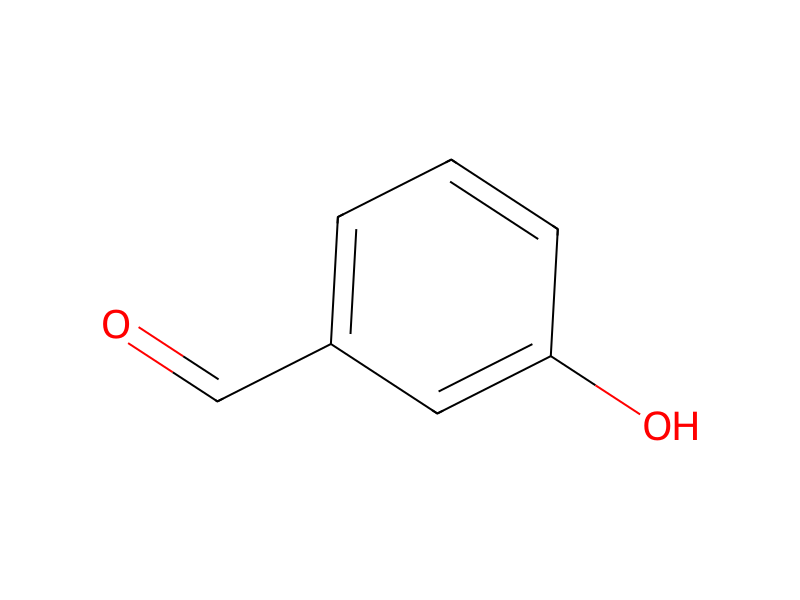
[CH3:1][O:2][C:3]([CH2:5]P(OC)(OC)=O)=[O:4].[Cl-].[Li+].N12CCCN=C1CCCCC2.[OH:25][C:26]1[CH:27]=[C:28]([CH:31]=[CH:32][CH:33]=1)[CH:29]=O>C(#N)C.O>[CH3:1][O:2][C:3](=[O:4])/[CH:5]=[CH:29]/[C:28]1[CH:31]=[CH:32][CH:33]=[C:26]([OH:25])[CH:27]=1Participants






Procedure
A solution of trimethyl phosphonoacetate (9.94 mL, 61.4 mmol), lithium chloride (2.60 g, 12.2 mmol) and 1,8-diazabicyclo[5.4.0]undec-7-ene (DBU) (15.92 mL, 106.5 mmol) in acetonitrile (80 mL) at room temperature under a nitrogen atmosphere was stirred at room temperature for 30 minutes. 3-Hydroxybenzaldehyde (5.00 g, 40.9 mmol) was added, and the mixture was stirred at room temperature for an additional 3 hours. Water was added and the aqueous phase was extracted with diethyl ether. The combined organic fractions were washed with water, brine, dried over magnesium sulfate, and evaporated to dryness. Purification by flash chromatography, eluting with hexane/ethyl acetate, gave trans-3-(3-hydroxyphenyl)acrylic acid methyl ester as a white crystalline solid (6.30 g, 86%).
Workup
- extractionthe aqueous phase was extracted with diethyl ether
- washThe combined organic fractions were washed with water, brine
- dry with materialdried over magnesium sulfate
- customevaporated to dryness
- customPurification by flash chromatography
- washeluting with hexane/ethyl acetate
Sources & evidence
- ORD record
- ord-18f601cb29d44ef3a14088d63952d063
- Source dataset
- uspto-grants-2002_01
- Patent number
- US06335459B1
Reaction notes
Loading…