Pyrrolidine → HCID 18326543, compound
Reaction equation

[C:1]([O:5]C(OC(OC(C)(C)C)=O)=O)(C)(C)C.[CH2:16]([NH:19][C:20]1[N:21]=[C:22]([NH2:30])[C:23]2[S:28][CH:27]=[C:26]([CH3:29])[C:24]=2[N:25]=1)[CH:17]=[CH2:18].[NH:31]1[CH2:35][CH2:34][CH2:33][CH2:32]1.C(OCC)(=O)C.CCCCCC>C(#N)C>[CH2:16]([NH:19][C:20]1[N:21]=[C:22]([NH:30][C:1]([N:31]2[CH2:35][CH2:34][CH2:33][CH2:32]2)=[O:5])[C:23]2[S:28][CH:27]=[C:26]([CH3:29])[C:24]=2[N:25]=1)[CH:17]=[CH2:18]Participants
6
Reactant 4

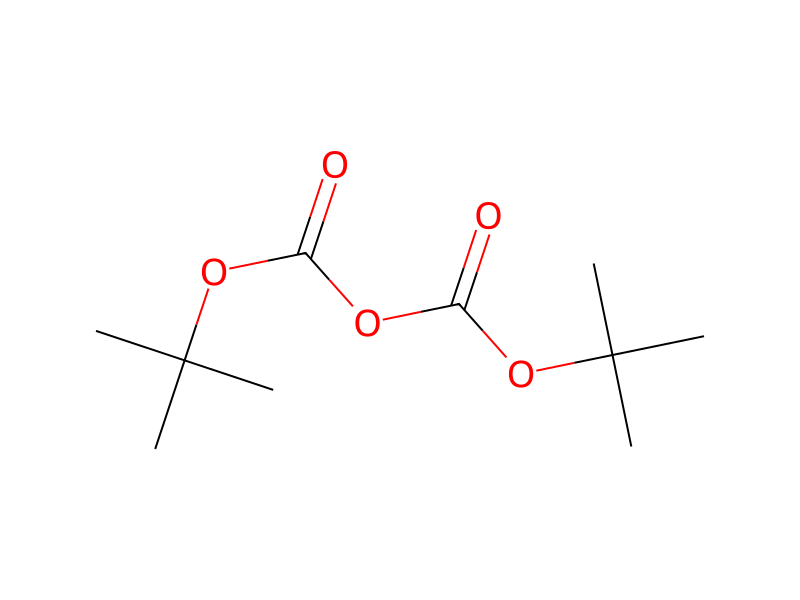


Product 1

Reagents, catalysts & solvents 1

Procedure
122 mg (1.0 mmol) of N,N-dimethylaminopyridine was added to a solution of 306 mg (1.4 mmol) of di-t-butyldicarbonate in acetonitrile at room temperature, followed by stirring 20 minutes. After 220 mg (1.0 mmol) of 2-allylamino-4-amino-7-methylthieno[3,2-d]pyrimidine was added to the reaction solution, the mixture was stirred at room temperature for 2 hours. Further, 142 mg (2.0 mmol) of pyrrolidine was added thereto, followed by heating under reflux for 16 hours. After completion of the reaction, the solvent was distilled off under reduced pressure. The residue was purified by a silica gel chromatography (eluent: ethyl acetate-hexane=1/2] to give 181 mg (yield: 57.1%) of the title compound.
Workup
- stirringthe mixture was stirred at room temperature for 2 hours
- temperatureby heating
- temperatureunder reflux for 16 hours
- customAfter completion of the reaction
- distillationthe solvent was distilled off under reduced pressure
- customThe residue was purified by a silica gel chromatography (eluent
Sources & evidence
- ORD record
- ord-c7d47e2eae714395abedeb59aefb5bf9
- Source dataset
- uspto-grants-2002_01
- Patent number
- US06339089B2
Reaction notes
Loading…