Hydrochloric Acid → HCID 22503141, compound
Reaction equation

[CH2:1]([N:3]1[CH2:8][CH2:7][N:6]([C:9]2[C:18]3[C:13](=[CH:14][CH:15]=[CH:16][CH:17]=3)[CH:12]=[C:11]([C:19]3[S:20][C:21]([CH2:25][CH2:26][O:27]CC4C=CC=CC=4)=[C:22]([CH3:24])[N:23]=3)[N:10]=2)[CH2:5][CH2:4]1)[CH3:2].[ClH:35]>C(O)C.[H][H].[OH-].[Pd+2].[OH-]>[ClH:35].[ClH:35].[CH2:1]([N:3]1[CH2:8][CH2:7][N:6]([C:9]2[C:18]3[C:13](=[CH:14][CH:15]=[CH:16][CH:17]=3)[CH:12]=[C:11]([C:19]3[S:20][C:21]([CH2:25][CH2:26][OH:27])=[C:22]([CH3:24])[N:23]=3)[N:10]=2)[CH2:5][CH2:4]1)[CH3:2]Participants
6





Procedure
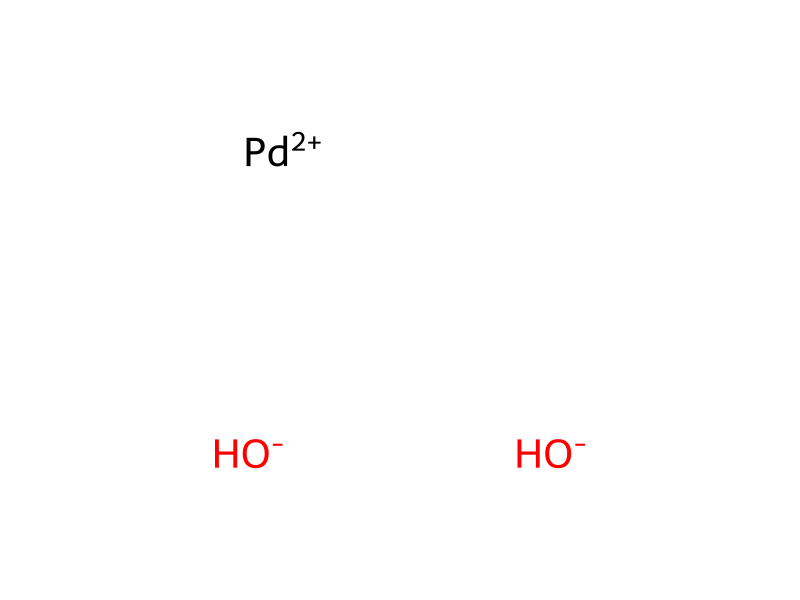
1-(1-Ethylpiperazin-4-yl)-3-[4-methyl-5-(2-benzyloxyethyl)thiazol-2-yl]isoquinoline (512 mg) was converted into a hydrochloride, which was then dissolved in ethanol (7 ml), followed by the addition of palladium hydroxide (222 mg), and the mixture was stirred in hydrogen atmosphere at room temperature for 3 days. After palladium hydroxide was filtered off, the resulting residue was purified by silica gel column chromatography (methylene chloride/methanol system). The resulting product was converted into a hydrochloride in a conventional manner, and then recrystallized from ethanol/isopropyl ether, to give the hydrochloride of the title compound as pale yellow crystals (129 mg, yield; 27%).
Workup
- filtrationAfter palladium hydroxide was filtered off
- customthe resulting residue was purified by silica gel column chromatography (methylene chloride/methanol system)
- customrecrystallized from ethanol/isopropyl ether
Sources & evidence
- ORD record
- ord-5eefa1a221724e5aacd98fd513e18813
- Source dataset
- uspto-grants-2002_01
- Patent number
- US06340759B1
Reaction notes
Loading…