Trifluoroacetic acid → An inositol
Reaction equation

C[C@H]1O[C@H]([O:8][CH:9]2[C@@H:14]([OH:15])[C@@H:13]([OH:16])[CH:12]([OH:17])[C@H:11]([OH:18])[C@H:10]2[OH:19])[C@@H](N)C[C@@H]1N=C(N)C(O)=O.Cl.FC(F)(F)C(O)=O.[Mn]([O-])(=O)(=O)=O.[K+].C[C@H]1O[C@H](O[C@@H]2[C@@H](O)[C@@H](O)[C@H](O)[C@H](O)[C@H]2O)[C@@H](N)C[C@@H]1NC(C(O)=O)=N>O.C(O)(=O)C>[CH:9]1([OH:8])[CH:10]([OH:19])[CH:11]([OH:18])[CH:12]([OH:17])[CH:13]([OH:16])[CH:14]1[OH:15]Participants
7


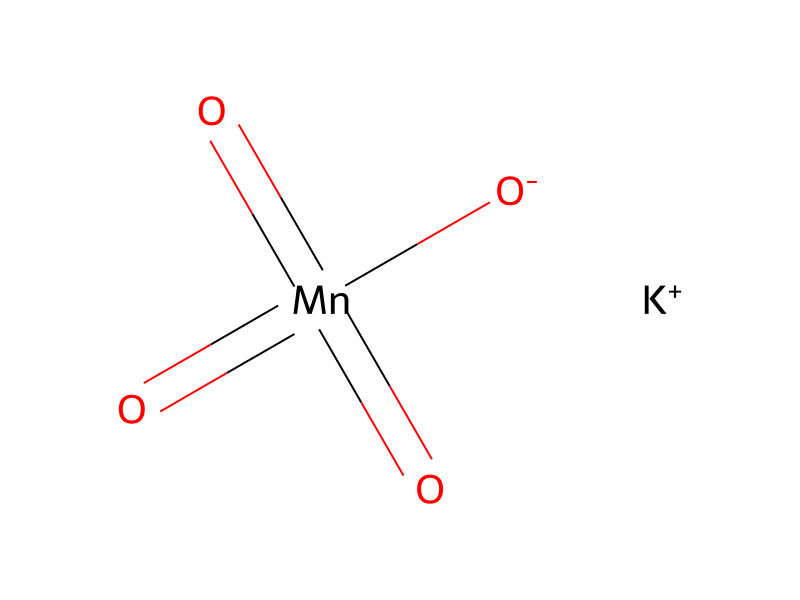




Conditions
- Temperature
- 75 °C
Procedure
Kasugamycin hydrochloride (1 g) and 2N trifluoroacetic acid (5 mL) were combined and heated 4 h at 75° C., after which time silica gel TLC (solvent-butanol:acetic acid:water, 2:1:1; Visualization with potassium permanganate stain showed kasugamycin was still present. The solution was concentrated in vacuo. The hydrolysis product was purified in the usual manner using ion exchange resins and charcoal. D-chiro-inositol was obtained in 20% yield.
Workup
- concentrationThe solution was concentrated in vacuo
- customThe hydrolysis product was purified in the usual manner
Sources & evidence
- ORD record
- ord-22c68d8a58114f49bdd71a6662b758c7
- Source dataset
- uspto-grants-2002_01
- Patent number
- US06342645B2
Reaction notes
Loading…