Hydrochloric Acid → HCID 20140960, compound
Reaction equation

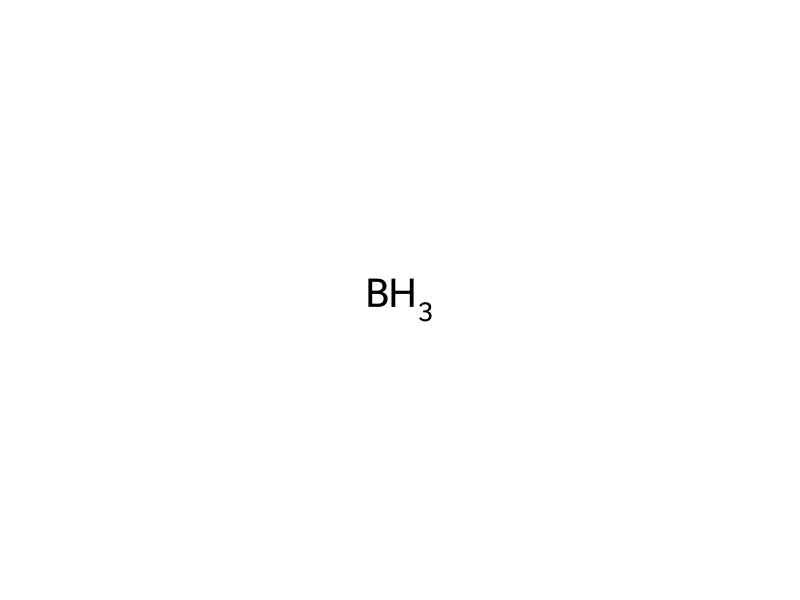
[Cl:1][C:2]1[CH:7]=[CH:6][CH:5]=[CH:4][C:3]=1[CH2:8][C:9]([N:11]1[CH2:20][CH2:19][CH2:18][C:17]2[N:16]=[CH:15][C:14]3[CH:21]=[CH:22][CH:23]=[CH:24][C:13]=3[C:12]1=2)=O.B.Cl>O1CCCC1.C(O)(=O)C>[ClH:1].[Cl:1][C:2]1[CH:7]=[CH:6][CH:5]=[CH:4][C:3]=1[CH2:8][CH2:9][N:11]1[CH2:20][CH2:19][CH2:18][C:17]2[N:16]=[CH:15][C:14]3[CH:21]=[CH:22][CH:23]=[CH:24][C:13]=3[C:12]1=2Participants
Reactant 3


Product 1

Reagents, catalysts & solvents 2


Procedure
A stirred colorless solution of 1-[(2-chlorophenyl)-acetyl]-1,2,3,4-tetrahydrobenzo[c]-1,5-naphthyridine (5.7 g) in tetrahydrofuran (500 ml) was treated rapidly with 1M borane solution in tetrahydrofuran (68 ml, 0.068 mole of BH3, 4-fold excess) under nitrogen. A yellow color appeared within one minute. After stirring overnight at room temperature with exclusion of moisture, the reaction was quenched by dropwise addition of 10% sodium hydroxide solution (100 ml, gas evolution). The mixture was concentrated to remove the tetrahydrofuran and the aqueous residue was extracted with dichloromethane (2×250 ml). The combined organic phase was dried over anhydrous sodium sulfate, filtered and concentrated to give a viscous gum (borane complex) which was dissolved in glacial acetic acid and treated portion-wise with concentrated hydrochloric acid (25 ml, gas evolution). The resultant solution was stirred for 3 hours at ambient temperature, decanted into ice water (500 ml), basified with 50% sodium hydroxide solution and extracted with dichloromethane (2×250 ml). The organic phase was dried over anhydrous sodium sulfate, filtered and concentrated to an oil (5.43 g). Thin layer chromatographic analysis (silica gel, ethyl acetate) indicated a mixture. The material was purified by HPLC (silica gel, sample applied in 25 ml of dichloromethane, eluted with ethyl acetate, 200 ml/min flow rate), and the appropriate fractions were combined and concentrated to an oil (2.90 g). A solution of the oil in methanol (10 ml) was treated with a slight excess of ethereal hydrogen chloride, followed by dilution with anhydrous ether almost to the cloud point. The solution was seeded with a material obtained from a small scale recrystallization, whereupon crystals precipitated rapidly. After standing 20 minutes (exclusion of light), the precipitate was isolated by vacuum filtration, washed thoroughly with ether and dried in vacuo at 40° C. to give 2.51 g of crystals, m.p. 218°-220° C.
Workup
- customthe reaction was quenched by dropwise addition of 10% sodium hydroxide solution (100 ml, gas evolution)
- concentrationThe mixture was concentrated
- customto remove the tetrahydrofuran
- extractionthe aqueous residue was extracted with dichloromethane (2×250 ml)
- dry with materialThe combined organic phase was dried over anhydrous sodium sulfate
- filtrationfiltered
- concentrationconcentrated
- customto give a viscous gum (borane complex) which
- customdecanted into ice water (500 ml)
- extractionextracted with dichloromethane (2×250 ml)
- dry with materialThe organic phase was dried over anhydrous sodium sulfate
- filtrationfiltered
- concentrationconcentrated to an oil (5.43 g)
- customThe material was purified by HPLC (silica gel, sample applied in 25 ml of dichloromethane, eluted with ethyl acetate, 200 ml/min flow rate)
- concentrationconcentrated to an oil (2.90 g)
- additionA solution of the oil in methanol (10 ml) was treated with a slight excess of ethereal hydrogen chloride
- customobtained from a small scale recrystallization, whereupon crystals
- customprecipitated rapidly
- waitAfter standing 20 minutes
- custom(exclusion of light), the precipitate was isolated by vacuum filtration
- washwashed thoroughly with ether
- customdried in vacuo at 40° C.
Sources & evidence
- ORD record
- ord-dfc66504ebf741e5ae6acf0338dc6c22
- Source dataset
- uspto-grants-1988_05
- Patent number
- US04742061
Reaction notes
Loading…