Acetic Acid → 6-Chloro-1,2,3,4-tetrahydrocarbazole
Reaktionsgleichung

C(O)(=O)C.C([O-])(=O)C.[Na+].[Cl:10][C:11]1[CH:12]=[CH:13][C:14]([N+:24]([O-])=O)=[C:15]([CH:17]2[CH2:22][CH2:21][CH2:20][CH2:19][C:18]2=O)[CH:16]=1>C(O)C.O.[Fe].C(O)(=O)C.[Fe]>[Cl:10][C:11]1[CH:16]=[C:15]2[C:14](=[CH:13][CH:12]=1)[NH:24][C:18]1[CH2:19][CH2:20][CH2:21][CH2:22][C:17]2=1Komponenten
7
Edukt 3



Produkt 1

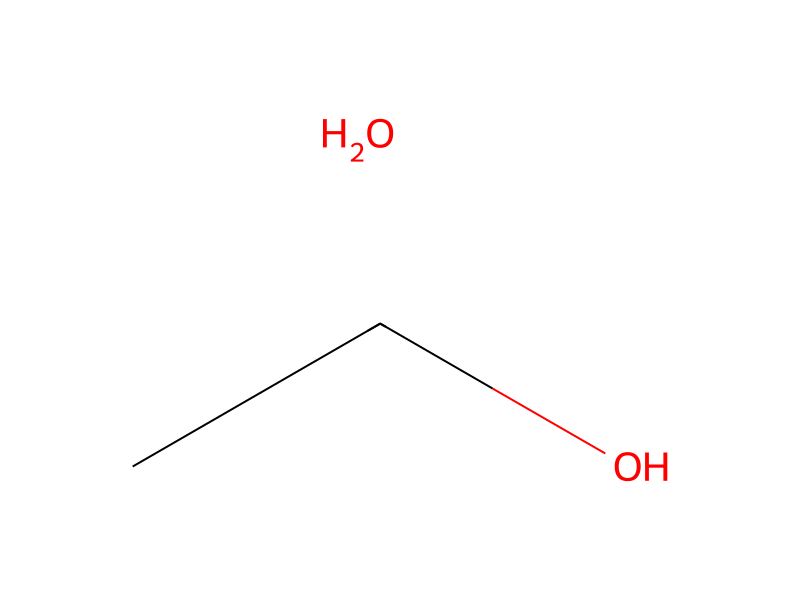
Reagenzien, Katalysatoren, Lösungsmittel 3


Versuchsvorschrift
The reduction can also be carried out using Fe/acetic acid. A mixture of 0.784 g of iron, 1.62 mL of glacial acetic acid, 0.544 g of sodium acetate, and 1 g of 2-(5-chloro-2-nitrophenyl)cyclo- hexanone was refluxed in 80 mL of 4:1 (v/v) ethanol/water for 2 hr. The mixture was cooled, ethanol was evaporated, and the residue was extracted into methylene chloride. Work-up followed by column chromatography on silica yielded 0.160 g (20%) of the named product.
Aufarbeitung
- temperatureThe mixture was cooled
- customethanol was evaporated
- extractionthe residue was extracted into methylene chloride
Quellen und Nachweise
- ORD-Eintrag
- ord-0ae972ab85f64dd28b811a9c9de6d1fb
- Quelldatensatz
- uspto-grants-1988_05
- Patentnummer
- US04743690
Notizen zur Reaktion
Wird geladen…