4-Chlorophenol → 2-Butanone, 1-(4-chlorophenoxy)-3,3-dimethyl-
Reaction equation

[Cl:1][C:2]1[CH:7]=[CH:6][C:5]([OH:8])=[CH:4][CH:3]=1.Cl[CH2:10][C:11](=[O:16])[C:12]([CH3:15])([CH3:14])[CH3:13].C(=O)([O-])[O-].[K+].[K+]>C(#N)C>[Cl:1][C:2]1[CH:7]=[CH:6][C:5]([O:8][CH2:10][C:11](=[O:16])[C:12]([CH3:15])([CH3:14])[CH3:13])=[CH:4][CH:3]=1Participants
5
Reactant 3
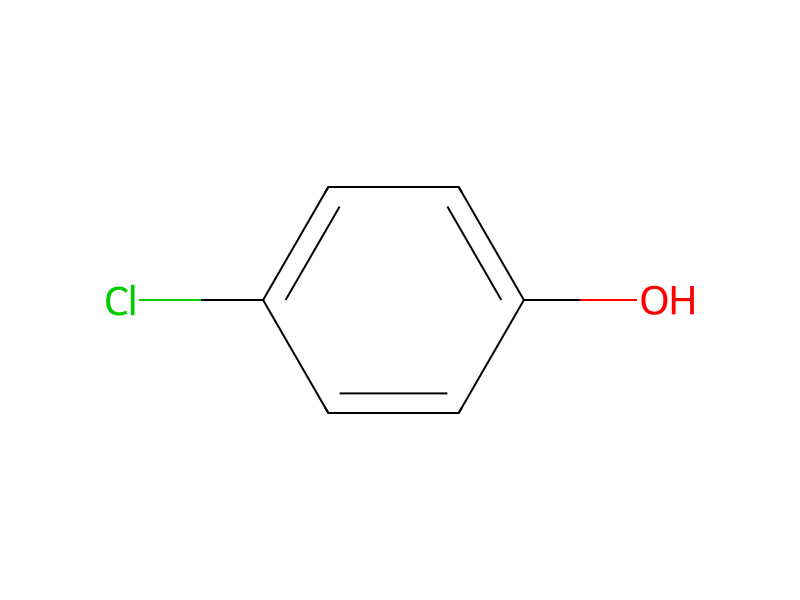


Product 1

Reagents, catalysts & solvents 1

Procedure
A 12.8 g quantity of p-chlorophenol, 13.4 g of 1-chloro-3,3-dimethyl-2-butanone, 13.8 g of anhydrous potassium carbonate and 100 ml of acetonitrile were placed into a 200-ml egg plant type flask and refluxed for 8 hours. The resulting potassium chloride was filtered off from the reaction mixture, and the filtrate was concentrated in a vacuum to obtain crude crystals, which were recrystallized from n-hexane, giving 16.0 g of the above-identified desired compound, m.p. 62°-63° C.
Workup
- temperaturerefluxed for 8 hours
- filtrationThe resulting potassium chloride was filtered off from the reaction mixture
- concentrationthe filtrate was concentrated in a vacuum
- customto obtain crude crystals, which
- customwere recrystallized from n-hexane
Sources & evidence
- ORD record
- ord-3a94ece1cadd49bfa78bda270dd1838b
- Source dataset
- uspto-grants-1988_05
- Patent number
- US04746673
Reaction notes
Loading…