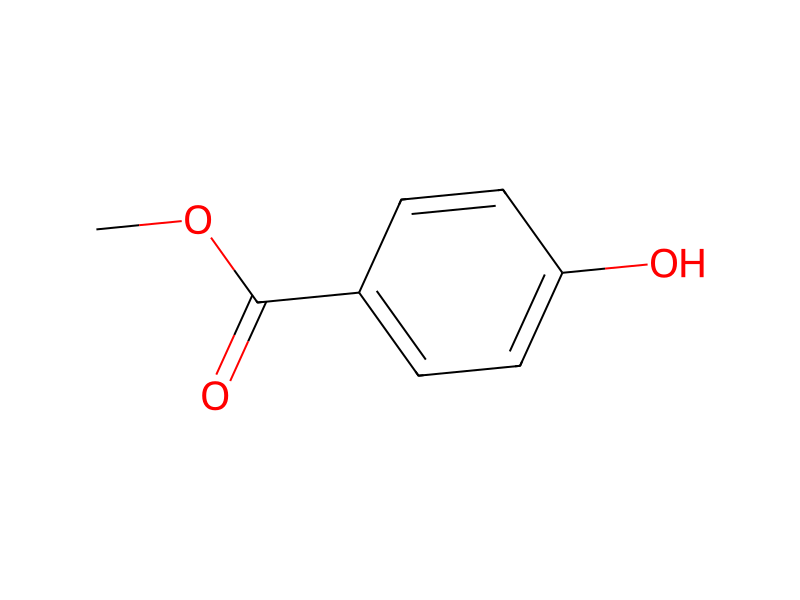
Methylparaben → Methyl 4-hydroxycyclohexanecarboxylate
Reaction equation

[OH:1][C:2]1[CH:11]=[CH:10][C:5]([C:6]([O:8][CH3:9])=[O:7])=[CH:4][CH:3]=1>[Rh]>[OH:1][CH:2]1[CH2:3][CH2:4][CH:5]([C:6]([O:8][CH3:9])=[O:7])[CH2:10][CH2:11]1Participants
Reactant 1
Product 1

Reagents, catalysts & solvents 1
Procedure
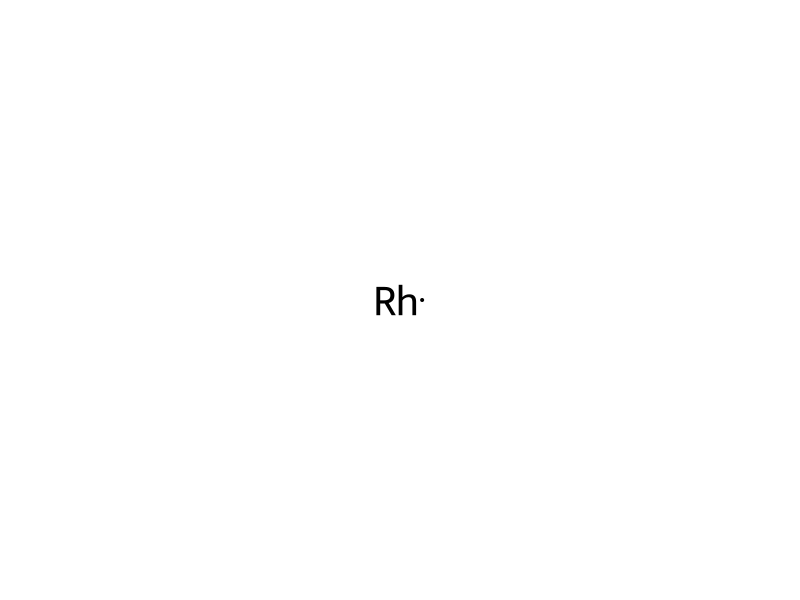
The epoxides used as the starting materials in the general process described above can be obtained from available starting materials using an appropriate series of reactions. Thus, methyl 4-hydroxybenzoate is hydrogenated using 5% rhodium on alumina as catalyst to give methyl 4-hydroxycyclohexanecarboxylate. This is then oxidized with pyridinium chlorochromate resulting in methyl 4-oxocyclohexanecarboxylate. The 2-carbon homologation of methyl 4-oxocyclohexanecarboxylate to give methyl 4-(oxoethylidene)cyclohexanecarboxylate is carried out using the method developed by A. I. Meyers. Acetaldehyde t-butylimine is metalated with lithium diisopropylamide and then treated with diethyl chlorophosphate to provide the lithioeneaminephosphonate. Addition of methyl 4-oxocyclohexanecarboxylate and subsequent acid hydrolysis gives methyl 4-(oxoethylidene)cyclohexanecarboxylate. The reduction of this oxoethylidene compound with sodium borohydride gives methyl 4-(2-hydroxyethylidene)cyclohexanecarboxylate.
Workup
- customabove can be obtained
Sources & evidence
- ORD record
- ord-59585ad77346485397ac657969f46413
- Source dataset
- uspto-grants-1988_05
- Patent number
- US04748274
Reaction notes
Loading…