Hydrochloric Acid → (3,5-Diisopropylphenyl)boronic acid
Reaction equation

[CH:1]([C:4]1[CH:5]=[C:6](Br)[CH:7]=[C:8]([CH:10]([CH3:12])[CH3:11])[CH:9]=1)([CH3:3])[CH3:2].CN(C)CCN(C)C.C([Li])CCC.CCCCCC.[B:33](OC(C)C)([O:38]C(C)C)[O:34]C(C)C.Cl>C(OCC)C>[CH:1]([C:4]1[CH:5]=[C:6]([B:33]([OH:38])[OH:34])[CH:7]=[C:8]([CH:10]([CH3:12])[CH3:11])[CH:9]=1)([CH3:3])[CH3:2]Participants
8
Reactant 6

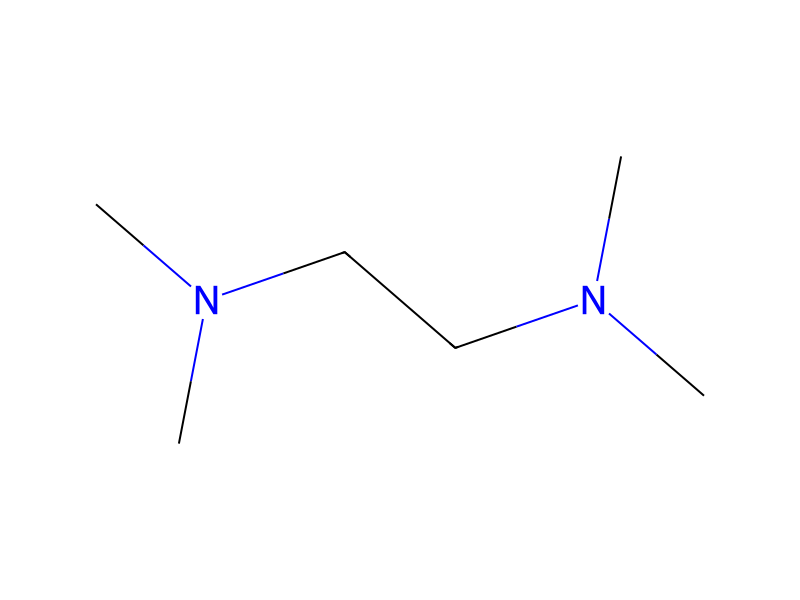




Product 1

Reagents, catalysts & solvents 1

Conditions
- Temperature
- -60 °C
Procedure
To the solution of 3,5-diisopropylbromobenzene (5.76 g, 23.9 mmol) and tetramethylethylenediamine (3.6 mL, 23.9 mmol) in diethyl ether (30 mL), solution of n-butyllithium in n-hexane (14.5 mL, 23.9 mmol) was dropped at −60° C. Reaction solution was stirred for 1.5 hours at −60° C., and further was stirred for 30 minutes at 0° C., then, solution of triisopropyl borate (6.6 mL) in diethyl ether (5 mL) was dropped at −60° C. Reaction solution was stirred for 30 minutes at −60° C., and further, was stirred overnight at room temperature, then, diluted hydrochloric acid (50 mL) was added. Resulting solid part was filtered to obtain the crude product of 3,5-diisopropylphenylboronic acid (5.9 g).
Workup
- customReaction solution
- stirringfurther was stirred for 30 minutes at 0° C.
- customReaction solution
- stirringwas stirred for 30 minutes at −60° C.
- stirringfurther, was stirred overnight at room temperature
- customResulting solid part
- filtrationwas filtered
Sources & evidence
- ORD record
- ord-26e98b0133ac4d5aa03374cdb708a4bd
- Source dataset
- uspto-grants-2013_06
- Patent number
- US08461365B2
Reaction notes
Loading…